
What Is a Lithium Battery? The Plain-English Truth Behind Li-Ion
What Are Lithium Batteries, Really?
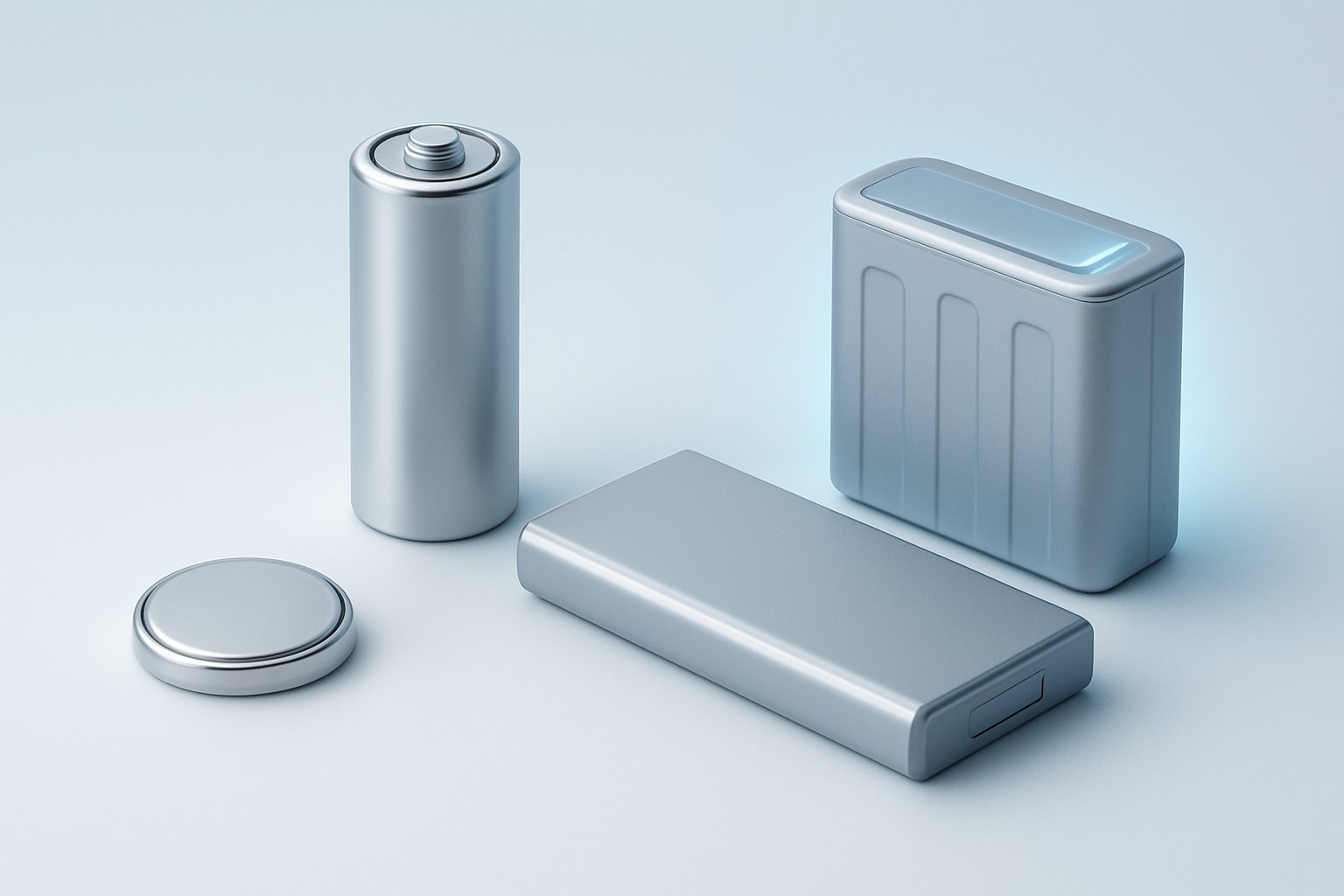
A lithium battery is any battery that uses lithium in its chemistry, but the label can mean either a single-use lithium metal cell or a rechargeable lithium-ion cell.
If you have ever asked, “what’s a lithium battery,” the shortest answer is that it is a battery family, not one single battery type. That is the core lithium battery meaning. In everyday conversation, people often use the term for everything from a coin cell to an electric vehicle pack. That shortcut creates confusion, because those products do not behave the same way and they are not all rechargeable.
Lithium Battery Meaning vs Lithium-Ion Meaning
The lithium ion battery meaning is narrower. It refers to rechargeable cells that store and release energy by moving lithium ions between internal materials. Practical explainers from Blue Carbon and R&D Batteries make the same basic distinction: lithium metal batteries are generally primary, while lithium-ion batteries are rechargeable.
- →Lithium metal: Usually non-rechargeable. Common in watches, sensors, medical devices, and backup equipment. Xnergy carries a full Metallic Lithium Series for research use.
- →Lithium-ion: Rechargeable. Common in phones, power tools, laptops, and EVs. Browse our Li-ion Battery range.
- →LiFePO4: A specific rechargeable lithium-ion chemistry chosen when stability and long service life matter. See our LFP Cylindrical Batteries.
Why the Term Causes Confusion
A common myth is that all lithium batteries are identical or rechargeable. They are not. They are batteries built around lithium-based chemistry, but the chemistry branch matters. The label sounds simple, but the real story sits inside the cell, where each part controls how energy moves, how safely it behaves, and why one battery type fits one job better than another.
How Do Lithium-Ion Batteries Work?
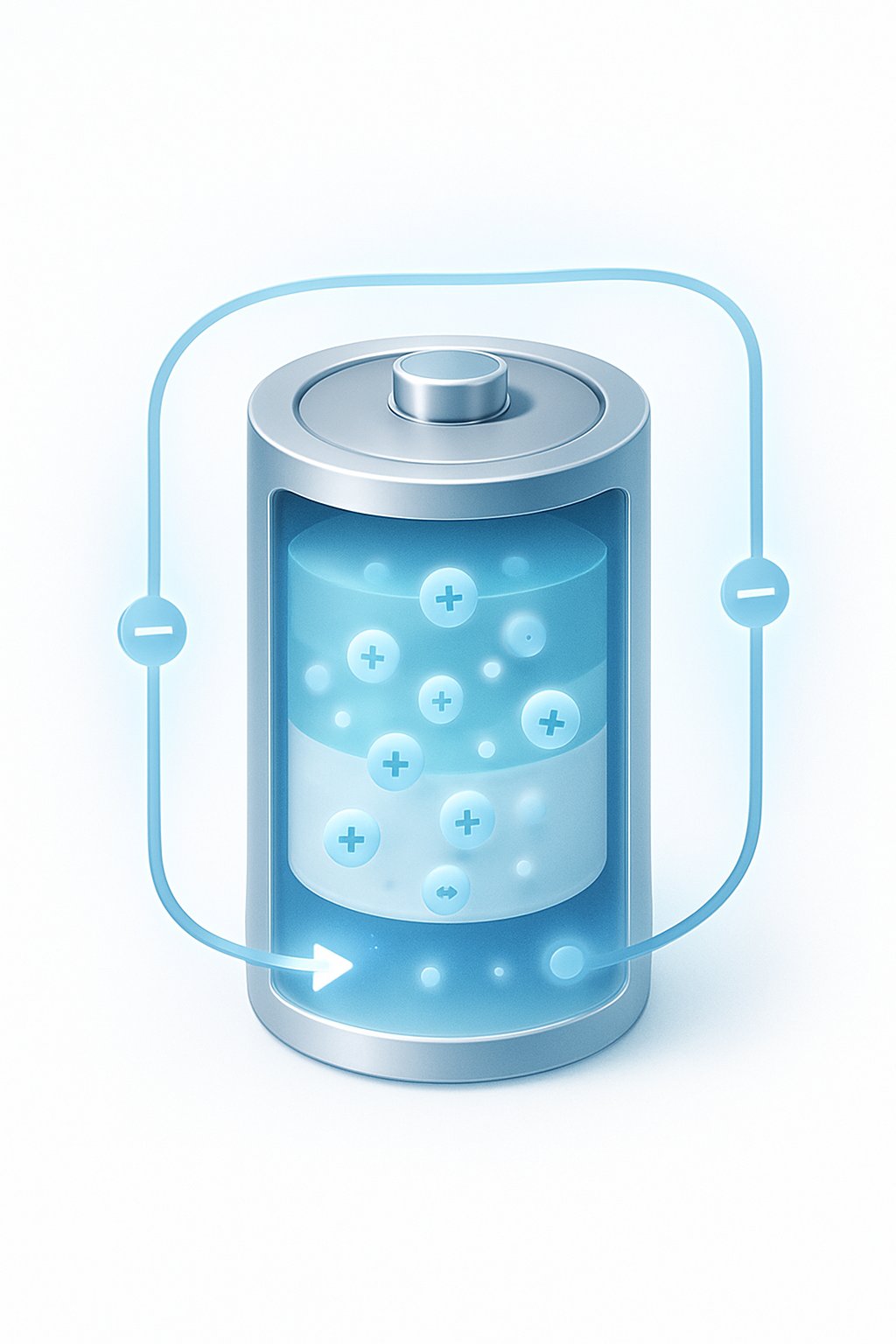
The label gets much clearer when you look inside a rechargeable cell. In simple terms, lithium ions move through the battery itself, while electrons move through the outer circuit and power your device. Several small parts work together to store energy, release it, and keep that process controlled.
The Job of Each Part
The basic cell layout described by the DOE includes an anode, cathode, separator, electrolyte, and two current collectors.
- →Anode: Usually made with graphite. During charging, it stores lithium ions; during discharge, it releases them. Explore our Anode Materials.
- →Cathode: A lithium-containing material that receives ions during discharge. Browse our Cathode Materials.
- →Electrolyte: Carries lithium ions between electrodes. Xnergy offers both liquid electrolytes and solid-state electrolytes.
- →Separator: A thin barrier that allows ions to pass but blocks electrons, helping prevent internal short circuits.
- →Current collectors: Thin metal foils that move electrons into and out of the electrodes. See our Current Collectors.
Charging and Discharging in Simple Steps
- 01During discharge: the anode releases lithium ions.
- 02Inside the cell: ions travel through the electrolyte and across the separator toward the cathode.
- 03Outside the cell: electrons flow through the external circuit and power the device.
- 04At the cathode: ions and electrons meet again, completing the discharge process.
- 05During charging: an outside power source pushes electrons back in the opposite direction.
- 06At the same time: lithium ions move from the cathode back to the anode, storing energy for later use.
Lithium vs Lithium Ion and LiFePO4 Compared
Not every lithium-based cell is built for the same job. “Lithium battery” can describe a broader family, while “lithium-ion” names a specific rechargeable branch inside it. That is why the question, are lithium batteries rechargeable, does not have a one-word answer.
| Battery type | Rechargeable? | Typical uses | Core strengths | Main tradeoffs |
|---|---|---|---|---|
| Primary lithium metal | Usually no | Coin cells, meters, sensors, backup | Long shelf life, low self-discharge | Not meant for routine recharging |
| Lithium-ion | Yes | Phones, laptops, power tools, EVs | Rechargeable, good power delivery | Needs charging control; ages over time |
| LiFePO4 / LFP | Yes | Solar storage, deep-cycle, EV, backup | Thermal stability, long cycle life | Lower energy density than some Li-ion |
Xnergy Product
LFP & NMC Cylindrical Batteries
Whether you need LFP’s cycle-life advantage or NMC’s higher energy density, Xnergy offers research-grade cylindrical cells for both.
Lithium Ion Chemistry Names Explained
A short code on a battery label can tell you far more than the word lithium by itself. Labels such as LFP, NMC, and NCA are what really help you compare options. A chemistry overview from Battery University shows why these labels matter: LFP sits around 90–120 Wh/kg, NMC around 150–220 Wh/kg, and NCA around 200–260 Wh/kg.
- →LFP (lithium iron phosphate): Strong thermal stability, long cycle life. See our LFP Cylindrical Batteries.
- →NMC (lithium nickel manganese cobalt oxide): Flexible middle-ground chemistry tunable for energy or power. See our NMC Cylindrical Batteries.
- →NCA (lithium nickel cobalt aluminum oxide): Very high specific energy, best when low weight and long runtime matter most.

Where Lithium Batteries Fit Best in Real Use
A phone, a laptop, a cordless drill, an EV pack, a backup power unit, and many home storage systems can all use lithium-based cells — but they do not all use the same kind.
| Application | Typical battery | Why it is chosen | Main tradeoff |
|---|---|---|---|
| Phones, tablets, laptops | Li-ion, often LCO | Light and compact with plenty of energy | Less focused on long cycle life |
| Electric vehicles | NMC or LFP | Balances range, power, and pack size | Range vs cost vs stability tradeoff |
| Power tools & e-bikes | NMC or Mn-based | Good power under heavy loads | Hard use stresses the pack |
| Home backup & solar | LiFePO4 | Thermal stability, long service life | Bulkier for same stored energy |
| Sensors, medical, standby | Primary lithium metal | Long shelf life, reliable low-drain performance | Not meant to be recharged |
Xnergy Product
High Energy / Power Pouch Cells
For applications demanding both high energy density and power output, our pouch cell range covers a wide range of research and prototype needs.
What Shapes Lithium Battery Lifespan
Even when use is light, heat and a high state of charge can age a lithium battery faster than most people expect.
Battery University notes that deeper discharges usually reduce cycle life, while partial discharges are generally easier on Li-ion cells. Storage conditions also matter significantly.
- →High heat: Speeds up internal chemical reactions and capacity loss.
- →High charge during storage: Keeping a battery full for long periods adds stress.
- →Deep discharges: Greater depth of discharge usually means fewer total cycles.
- →Repeated full charging: Frequent time at the top end can increase wear.
- →Poor storage conditions: Hot, fully charged, long-idle conditions push calendar aging higher.
What Capacity Ratings Really Tell You
In simple terms, mAh describes charge capacity — common on small batteries like phone cells. Wh is a more direct energy measure; when voltages differ, Wh gives a clearer picture. In real life, capacity fade means shorter runtime, even if the battery still reaches 100% on screen.
Safe Charging, Storage, and Disposal
Swelling, unusual heat, or charging trouble is where battery aging can turn into a safety problem. Guidance from NFPA, FSRI, and WMU points to the same bottom line: lithium-ion batteries are safest when undamaged, charged with compatible equipment, and kept away from temperature extremes.
- →Swelling or bulging: Stop using the device or pack right away.
- →Leaking, venting, or corrosion: Do not touch leaked material.
- →Punctures or impact damage: Internal damage may be serious even when the case looks normal.
- →Unusual heat, odor, or smoke: Treat these as urgent warning signs.
- →Charging tips: Use the original or compatible charger; charge on a nonflammable surface; stop when full.

How to Evaluate Lithium Ion Battery Cells
In research and prototype work, the battery cell is where chemistry, format, and test discipline start to shape the data. Lithium ion battery cells should be compared by use case, not by label alone.
- 01Format: Choose coin or pouch cells for lab studies, or cylindrical / prismatic when product relevance matters. Xnergy carries Coin Cells and Dry Pouch Cells.
- 02Chemistry family: Confirm whether the cell is LFP, NMC, NCA, or another Li-ion chemistry. Different cells can share a shape but behave very differently.
- 03Capacity range: Compare only cells with clearly stated capacity information from the supplier.
- 04Safety documentation: IEC 62133 is an important safety benchmark for portable rechargeable products.
- 05Test conditions: Temperature, moisture, electrolyte amount, and pressure all affect reproducibility.
- 06Application fit: Match the cell to the job. Explore all options at Xnergy Materials.
Xnergy Research
Battery Cells & Materials for Research
For battery researchers, university labs, and product engineers — explore Xnergy’s full range of research-focused cells, materials, and lab equipment.
Frequently Asked Questions About Lithium Batteries
1. What is the difference between a lithium battery and a lithium-ion battery?
A lithium battery is a broad category for batteries that use lithium in their chemistry. Lithium-ion is one specific branch of that family and is designed to be rechargeable. In everyday use, people often say “lithium battery” when they really mean a Li-ion pack, but that shortcut can hide important differences in rechargeability, safety needs, and best-use cases.
2. Are all lithium batteries rechargeable?
No. Some lithium batteries are primary cells meant for single use, while others are secondary cells built for repeated charging. Lithium metal cells are commonly non-rechargeable, while lithium-ion and LiFePO4 are rechargeable types.
3. What is inside a lithium-ion battery?
A lithium-ion battery usually includes an anode, a cathode, an electrolyte, a separator, and current collectors. Xnergy supplies all of these individual battery materials for research and development.
4. Which lithium battery type is often used for solar storage or deep-cycle systems?
LiFePO4 is often preferred for solar storage, backup power, and other deep-cycle uses because of its stability and long service life. Browse Xnergy’s LFP Cylindrical Batteries for research-grade options.
5. How should researchers or engineers evaluate lithium battery cells before buying?
Start with cell format, chemistry family, stated capacity range, safety documentation, and test conditions. For teams moving from battery education into hands-on selection, Xnergy’s battery page is a practical next step.