
Lab-scale Pouch Cell Fabrication Equipment Process
Introduction
Pouch cells have become one of the most widely used cell formats in lithium battery research and prototyping because they offer a lightweight structure, high space utilization, flexible design, and strong relevance to practical applications. Compared with coin cells, pouch cells are much closer to real device architectures, making them especially valuable for material evaluation, process optimization, and scale-up validation.
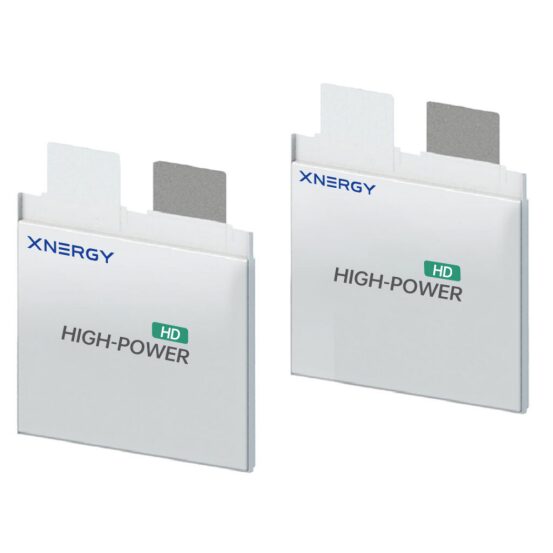
This article offers a structured overview of the lab-scale pouch cell manufacturing process, from electrode preparation to final sealing and shaping, while also introducing related equipment commonly used in lab-scale pouch cell fabrication.
What Is a Pouch Cell?
A pouch cell uses an aluminum-laminated film as the outer packaging material. Inside the cell are the cathode, anode, separator, and electrolyte, which are assembled into a stacked or wound structure before sealing, electrolyte filling, formation, and final packaging. Because of this configuration, pouch cells are widely used in R&D environments where researchers want a cell format that more closely resembles practical battery systems.
The key advantages of pouch cells include small size, light weight, high specific energy, high safety, and flexible design. These features make pouch cells especially attractive for advanced lithium battery research, pilot validation, and high-energy-density cell development.
1. Electrode Material Preparation
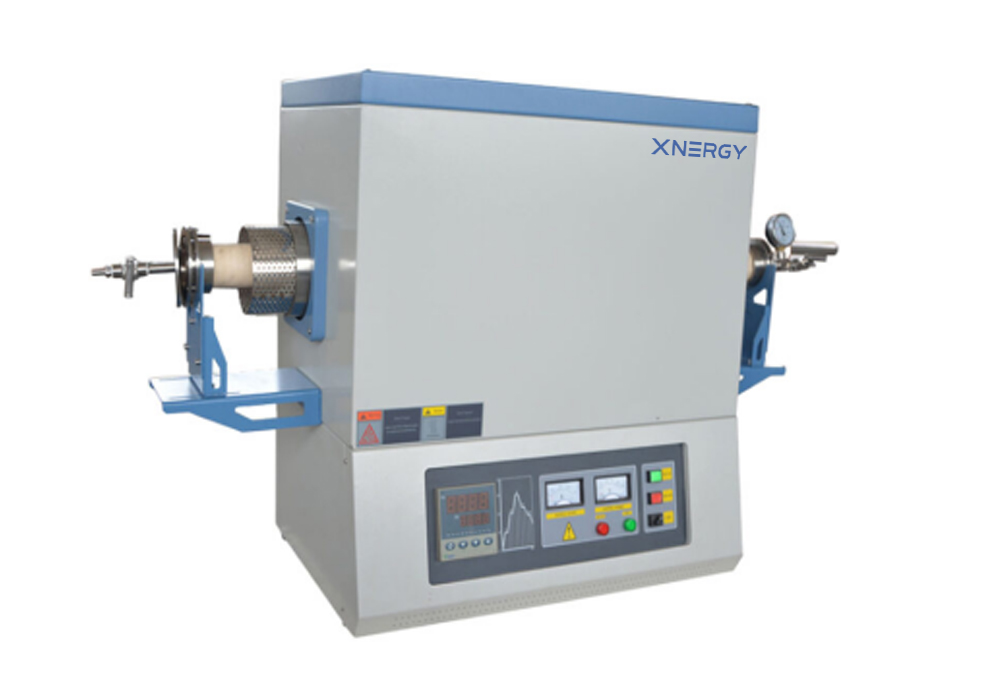
The fabrication of a pouch cell starts with stable and well-prepared active materials. This stage typically involves thermal treatment to obtain the desired phase, improve crystallinity, and prepare the material for later slurry making. In laboratory-scale production, common processes may include calcination, sintering, and other heat-treatment procedures.
For readers looking for related lab equipment, this stage can be associated with products such as the Tube Furnace for thermal treatment.
In many cases, the prepared powders also require further refinement before slurry preparation. Better particle uniformity helps improve mixing consistency and coating quality in later steps.
2. Mixing and Milling
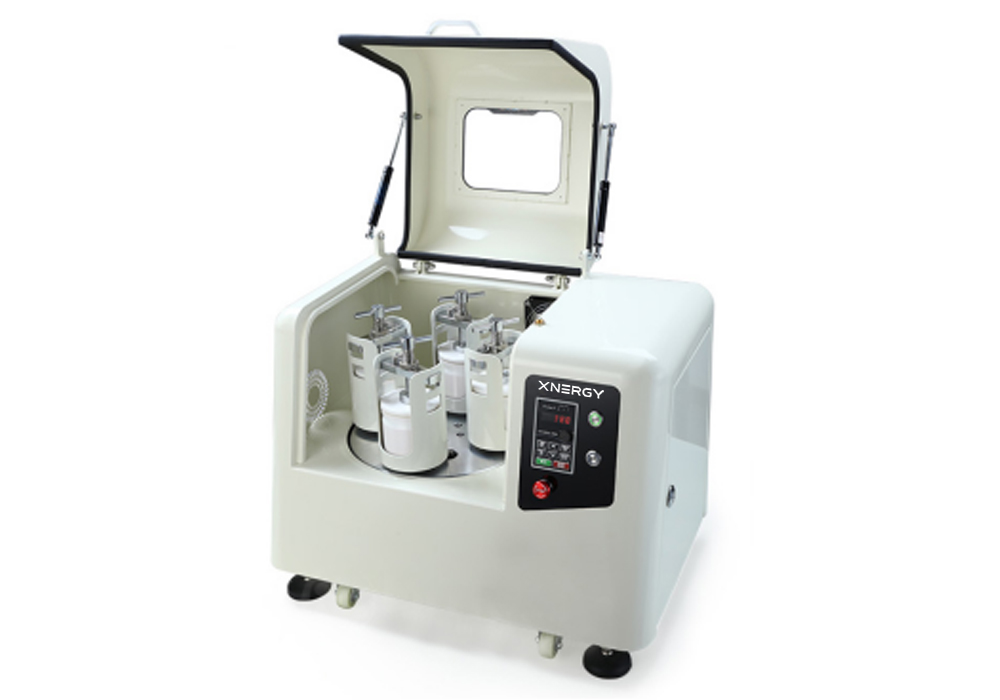
After the active material is prepared, the next step is mixing and milling. This process is essential for improving powder dispersion, enhancing contact between functional components, and building a more uniform foundation for slurry preparation. In laboratory-scale pouch cell fabrication, proper mixing and milling can significantly improve slurry stability and coating consistency.
Related equipment for this stage may include a Vertical Planetary Ball Mill for powder milling and pre-dispersion. These products fit naturally into the workflow of electrode preparation and laboratory pouch cell processing.

A well-controlled mixing stage helps create a more stable slurry system, reduces localized agglomeration, and improves the uniformity of the final coated electrode.
3. Vacuum Slurry Mixing
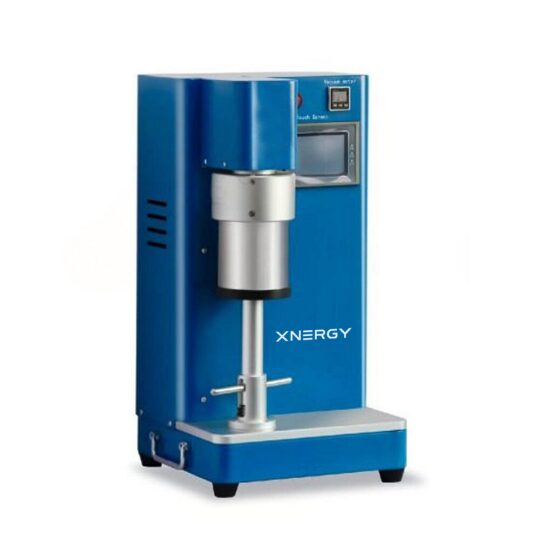
Vacuum slurry mixing is a critical step in pouch cell electrode preparation. It helps improve slurry homogeneity, removes entrapped air bubbles, and reduces the risk of coating defects such as pinholes, poor surface uniformity, and inconsistent electrode density. For laboratory-scale battery research, this step is essential for achieving more stable coating quality and better electrochemical reproducibility.
Common equipment used at this stage includes the Laboratory Vacuum Mixer for Battery Slurry Preparation and the Planetary Vacuum Mixer for Battery Slurry Mixing. On Xnergy’s product pages, these mixers are described for slurry mixing and degassing under vacuum conditions, with the planetary model specifically positioned for cathode and anode slurry preparation and improved homogeneity.
In practical battery development, stable slurry rheology and proper degassing directly affect coating consistency, electrode density, and overall electrochemical reproducibility.
4. Electrode Coating
Once the slurry is ready, the next step is electrode coating onto the current collector. For lithium battery systems, cathode slurry is generally coated on aluminum foil, while anode slurry is coated on copper foil. In pouch cell fabrication, this process is especially important because larger-format electrodes demand tighter control over thickness, uniformity, and surface quality.
Related equipment for this stage includes the Automatic Film Coater with Integrated Drying System.These products are well suited for laboratory electrode coating and can support more stable and efficient pouch cell preparation workflows.
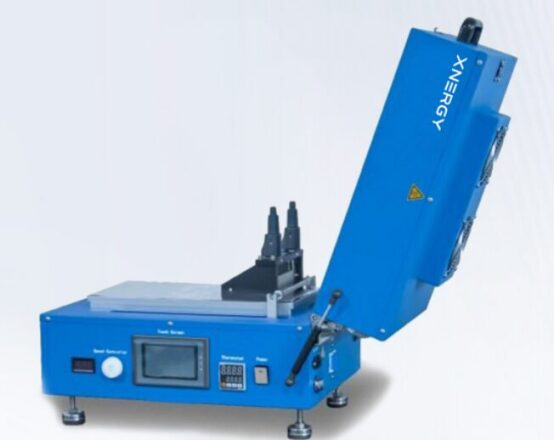
Poor coating quality can lead to thickness variation, non-uniform areal loading, and reduced cycle stability, especially in larger-format cells.
5. Drying and Calendering
After coating, the electrode sheet must be dried to remove residual solvent and moisture. Proper drying is essential for maintaining interface stability and ensuring better quality during later cell assembly. In laboratory-scale pouch cell fabrication, effective drying also helps improve the consistency of the electrode preparation process.
This stage can be naturally associated with the Laboratory Vacuum Drying Oven for Precision Material Drying, which fits well into the drying step of pouch cell electrode processing.
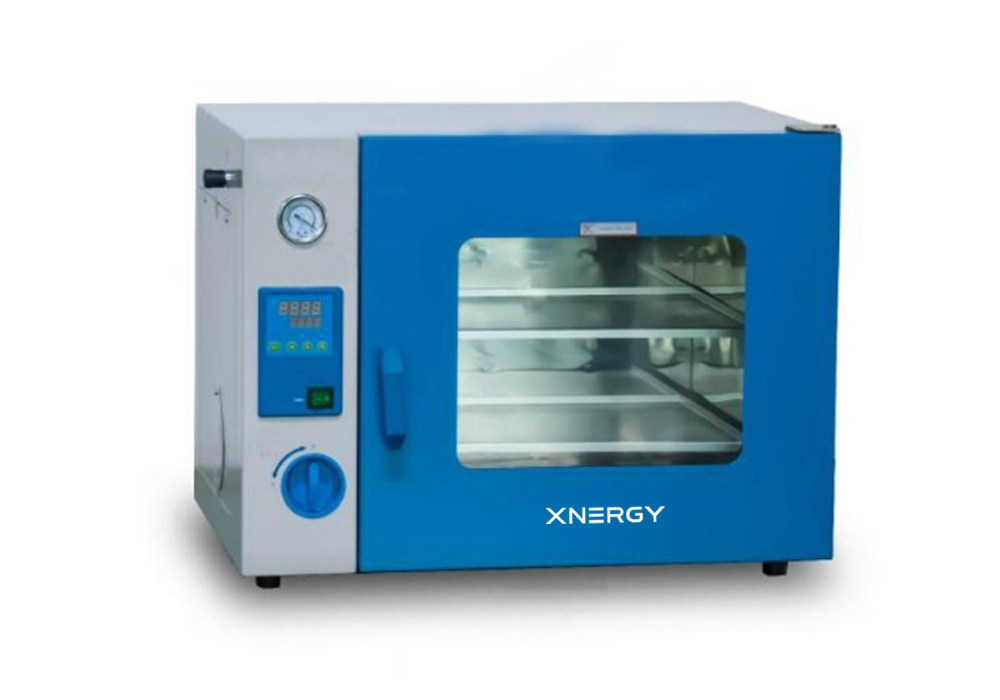
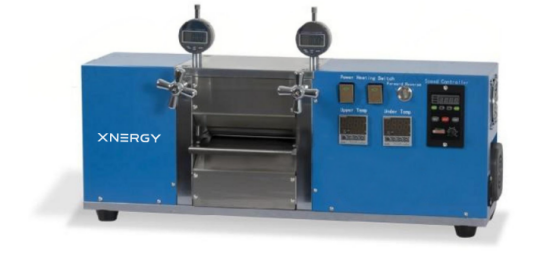
After drying, the electrode is typically calendered to improve compaction, particle contact, and adhesion to the current collector. This step is important for increasing electrode density and supporting more stable pouch cell performance.
Related equipment for this process includes the Electric Calendering Machine XN-CRPE-100 and the Heated Calendering Machine XN-HRPE-100, both of which are well suited for laboratory electrode densification and calendering applications.
6. Slitting, Cutting, and Tab Processing
In pouch cell fabrication, electrode sheets are typically slit and cut into defined sizes before tab processing and later cell assembly. Because pouch cells use larger-format electrodes, dimensional control, clean edges, and low burr formation are all essential for achieving better alignment and more stable assembly quality.
Related equipment for this stage includes the Electrode Slitting Machine, the Precision Die Cutter for Pouch Cell Electrode Sheet, and the Ultrasonic Spot Welder. These products are well suited for laboratory-scale electrode preparation and pouch cell processing.
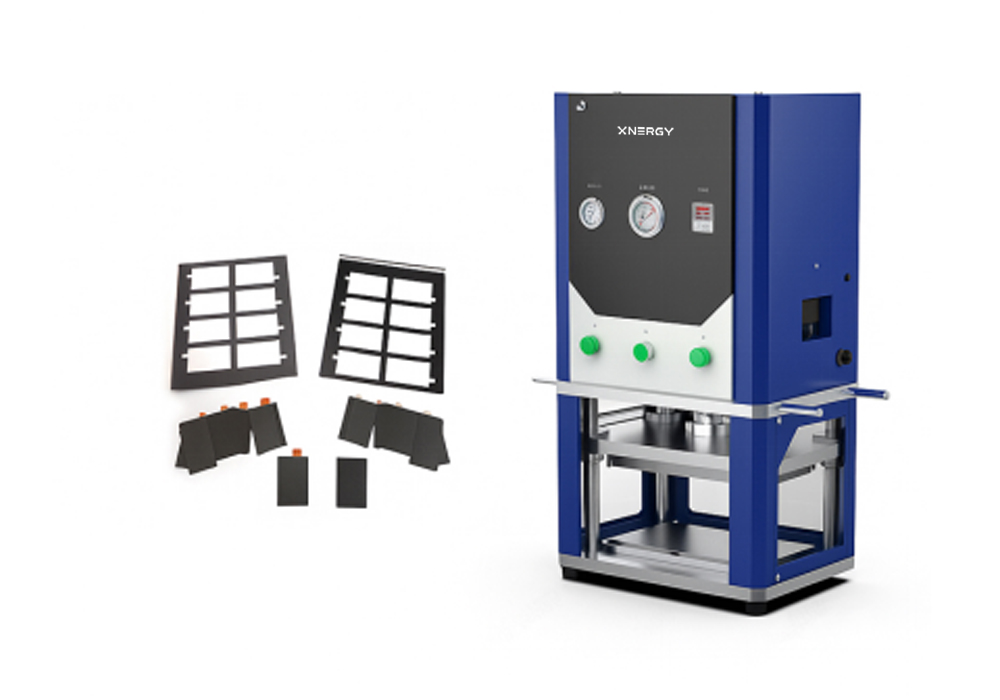
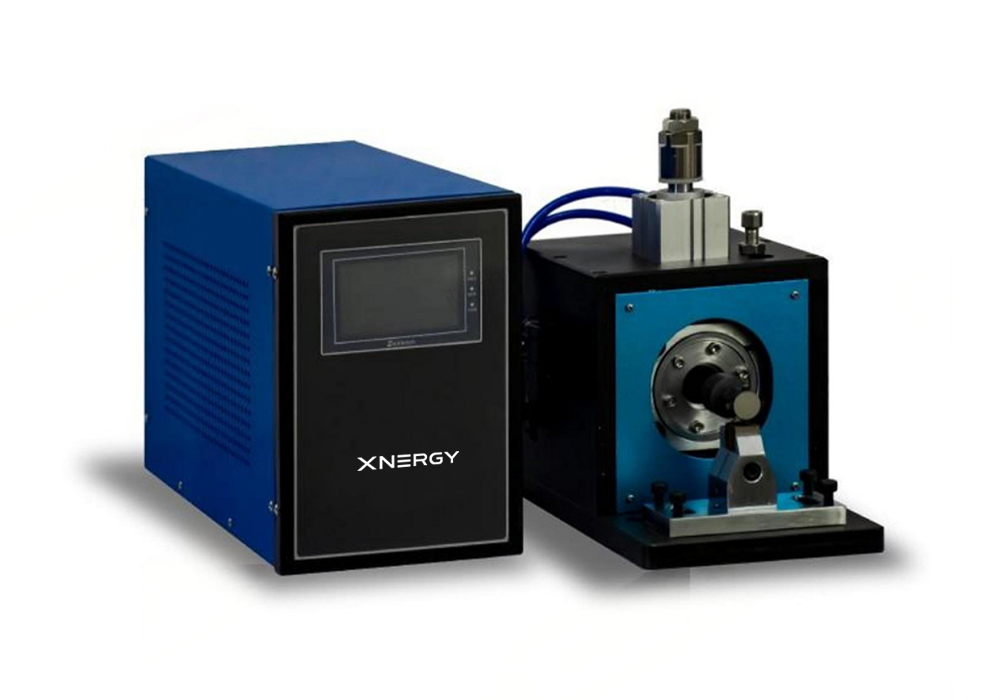
A clean cutting and tab-processing step makes later stacking and sealing much more stable and repeatable.
7. Cell Stacking
Once the cathode, anode, and separator are ready, the pouch cell core enters the stacking stage. In laboratory-scale pouch cell fabrication, stacking is widely used because it allows better control of electrode alignment, overlap, and internal structure.Related equipment for this process includes the Lab Manual Stacking Machine, the Battery Electrode Stacking Machine, and the Semi-Automatic Z-Fold Electrode Stacking Machine for Pouch Cells. These products are well suited for pouch cell assembly and can help improve consistency in laboratory cell preparation.
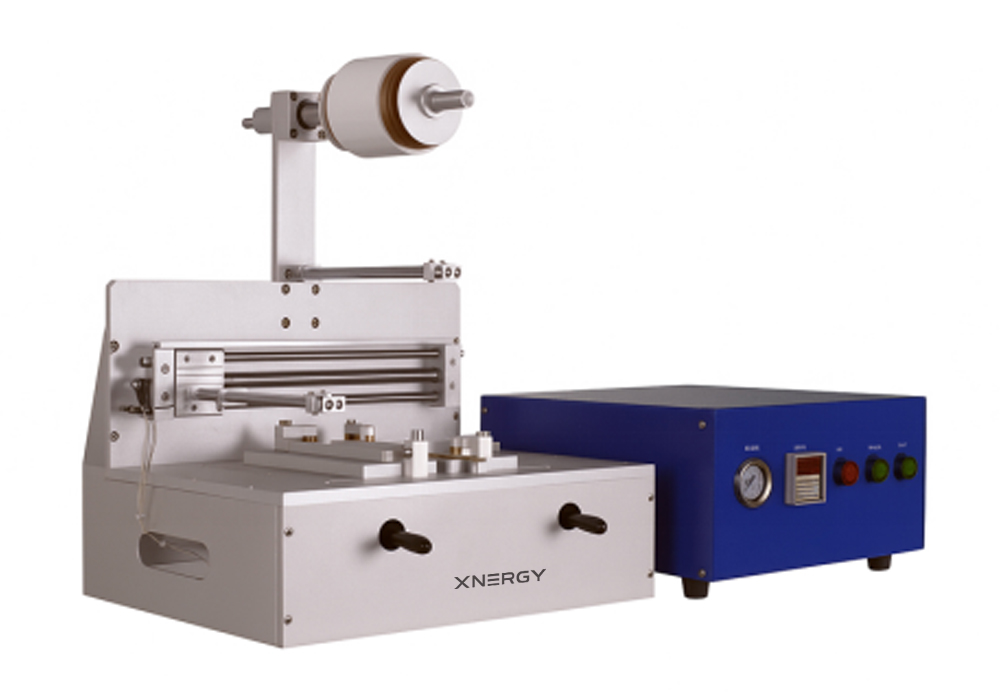
Good stacking accuracy helps maintain consistent internal structure, improves interface uniformity, and supports more stable cycling results.
8. Pouch Forming and Pre-Sealing
After stacking, the electrode assembly is placed into the aluminum-laminated pouch for forming and sealing. In pouch cell fabrication, this step is critical because the quality of pouch forming and pre-sealing can strongly influence cell dimensions, sealing consistency, and downstream process stability.
Related equipment for this stage includes the Aluminum-Plastic Film Forming Machine, the 3-in-1 Sealer for Top/Side & Vacuum Standing & Vacuum Pre-sealing, and the Pouch Cell Top and Side Sealing Machine. The sealing machine product page specifically describes its use for sealing aluminum-laminated films during pouch cell case preparation and for top and side sealing before electrolyte injection.
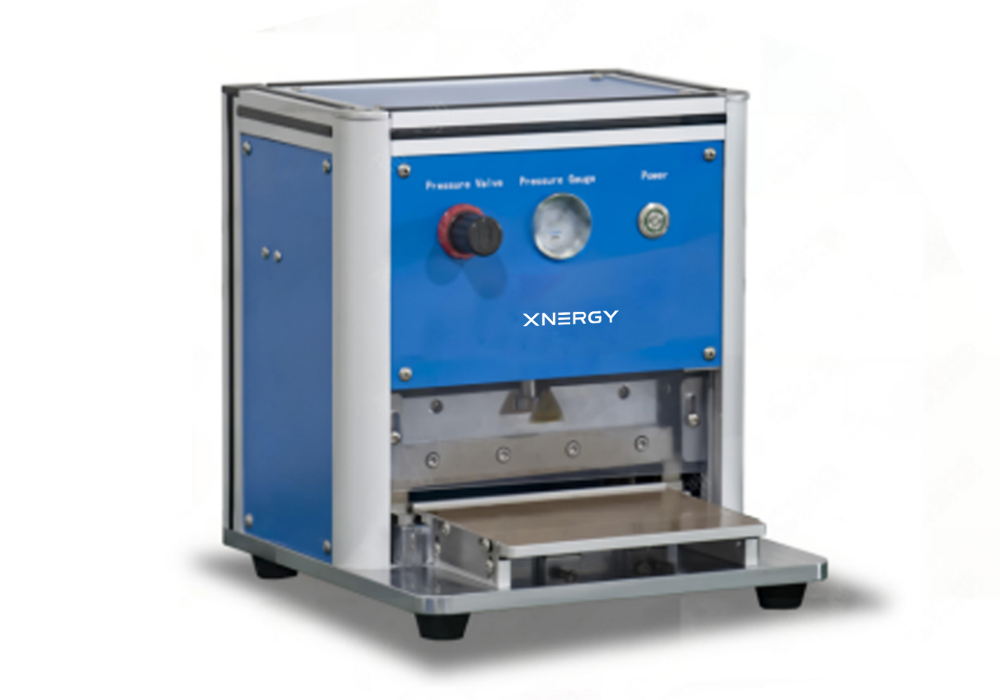
Reliable pre-sealing reduces handling risk during electrolyte filling and helps maintain better process consistency.
9. Electrolyte Filling and Wetting
After pre-sealing, the pouch cell is filled with electrolyte. In larger-format cells, electrolyte wetting is more demanding than in coin cells because the internal structure is larger and more complex, so the liquid must fully penetrate the separator and electrode interfaces.
After filling, the cell is usually allowed to rest so the electrolyte can fully wet the electrode stack. Proper wetting helps reduce polarization and improves the stability of the first formation cycles.
10. Formation, Degassing, and Final Sealing
Formation is a key step in pouch cell fabrication because it helps stabilize the electrochemical interfaces during the initial charging and discharging cycles. As the cell begins to develop its early performance characteristics, gas generation may also occur, which makes degassing and final sealing important parts of the overall manufacturing process.
Related equipment for this stage includes the 16 Channels Vertical Hot Press Formation Machine, the Horizontal Hot Press Formation Machine, and the Battery Making Machine Electrolyte Diffusion & Degassing Chamber. These products are well suited for formation, diffusion, and degassing in laboratory-scale pouch cell manufacturing.
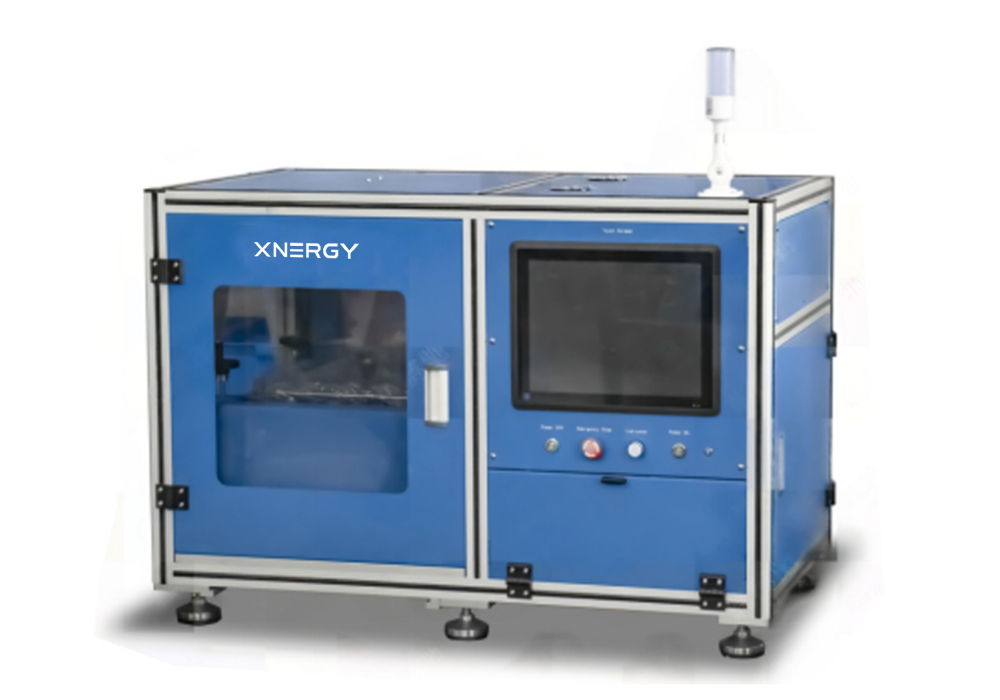
After the gas is properly handled, the pouch cell proceeds to final vacuum sealing and shaping. This is where product keywords such as Pouch Cell Final Vacuum Sealing Machine With Auto Piercing Function and Pouch Cell Hot Press Shaping Machine become highly relevant. Xnergy’s hot press shaping machine is an exact match for the final shaping step described here.
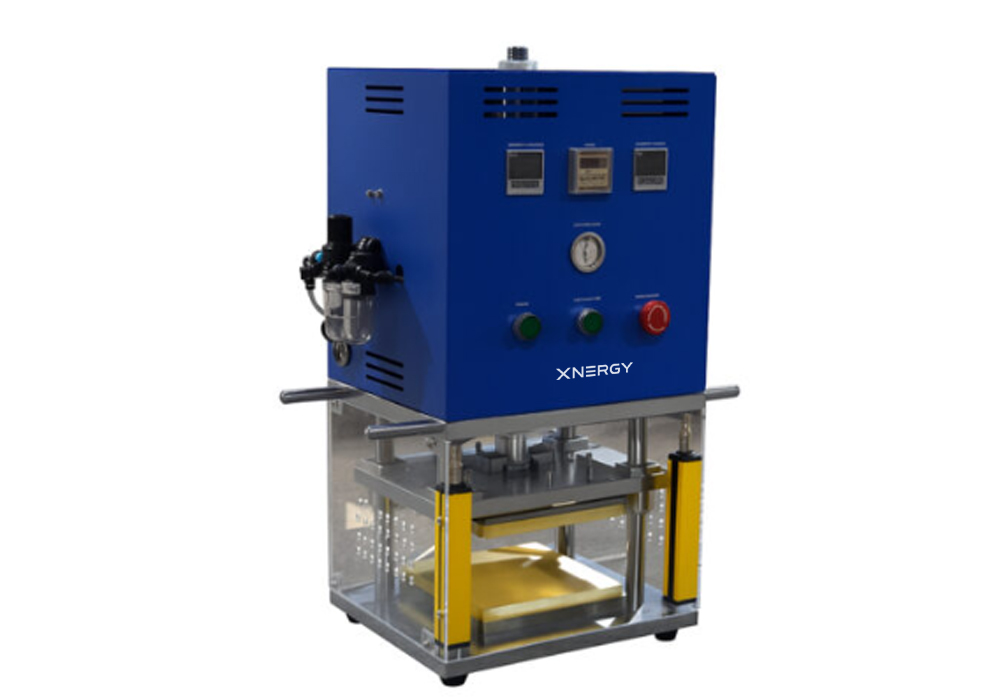
Final sealing quality strongly affects leak resistance, dimensional stability, and long-term cell consistency.
Key Process Control Points
Slurry Uniformity
Uniform slurry is essential for achieving consistent coating quality, stable areal loading, and reproducible electrochemical performance. In pouch cells, even small differences in dispersion can become amplified because the electrode area is larger than in coin-cell-based evaluation. Proper vacuum mixing using equipment such as the Laboratory Vacuum Mixer for Battery Slurry Preparation can help improve slurry homogeneity and support more stable downstream coating performance.
Electrode Consistency
Coating thickness, surface flatness, adhesion, and edge quality all influence the later assembly quality of a pouch cell. Better electrode consistency usually translates into better stacking accuracy and more stable cycling behavior.
Drying and Moisture Control
Drying quality matters not only for solvent removal, but also for interface stability and cell safety. In practical pouch cell fabrication, moisture control becomes even more important because larger cells are more sensitive to side reactions caused by impurities.
Sealing Reliability
Because pouch cells rely on aluminum-laminated film packaging, sealing quality directly affects electrolyte retention, swelling behavior, and cycle life. This is why forming, pre-sealing, degassing, and final sealing all need to be handled carefully throughout the process.
Conclusion
The overall pouch cell fabrication process can be summarized as follows: active material preparation, mixing and milling, vacuum slurry mixing, electrode coating, drying and calendering, slitting and cutting, stacking, pouch forming, electrolyte filling, wetting, formation, degassing, final sealing, and shaping.Especially in the electrode preparation stage, while Xnergy’s current equipment pages offer a practical set of corresponding product categories and machine options that map well to these laboratory workflows.