
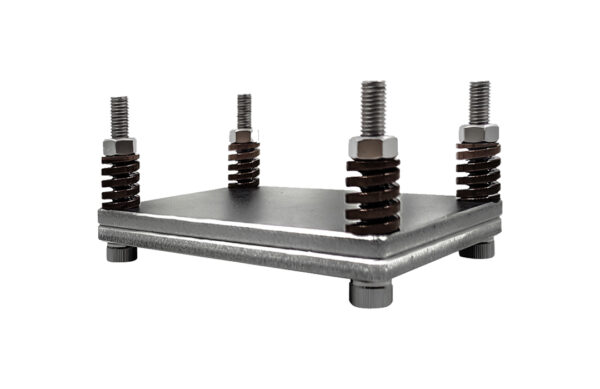
GT11 Pouch Cell Pressure Fixture – Spring Clamp, Adjustable 80–200mm, 50MPa | Xnergy
SKU: XN-BM-GT11
Free Shipping$151.00
[Customize and modify as required]
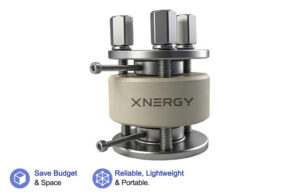
GT11 Pouch Cell Pressure Fixture — spring-clamp pressure fixture for applying stable, uniform pressure to pouch cells during cycling and testing. 40 mm mold spring, 70 mm assembly height, 80×80 mm to 200×200 mm adjustable size range, ≤ 50 MPa working pressure. Built with stainless steel and aluminum alloy. Features corrosion resistance and good electrical conductivity for long-duration laboratory battery research.
Need a bulk order or custom specification? Request a competitive quote today!
Name: GT11 Pouch Cell Pressure Fixture – Spring Clamp, Adjustable 80–200 mm, 50 MPa
Mold Type: Spring-Clamp Pressure Fixture for Pouch Cells
Product Code: XN-BM-GT11
Description:
The GT11 is a spring-clamp pressure fixture engineered for applying stable, uniform pressure to pouch cells during cycling and testing. As a result, this fixture allows researchers to maintain consistent stack pressure on pouch cells across long-duration cycling experiments — a critical requirement for suppressing electrode delamination, controlling lithium-plating morphology in lithium-metal pouch cells, and ensuring reproducible cycling data. The GT11 is rated to ≤ 50 MPa maximum working pressure and accommodates pouch cells from 80 × 80 mm to 200 × 200 mm (adjustable), supporting a wide range of pouch cell sizes used in academic and industrial battery research. Furthermore, the integrated spring-clamp design automatically maintains pressure as cell thickness changes during cycling — eliminating the need for manual pressure adjustments and ensuring stable stack force throughout the experiment. Customization and modification are available on request.
Application:
The GT11 fixture is designed for laboratory pouch cell pressure-controlled cycling, including pouch-cell cycling under constant stack pressure to suppress electrode delamination, lithium-metal pouch-cell research where uniform pressure is critical for dendrite suppression, formation cycling of dry pouch cells after electrolyte filling, long-duration capacity-fade and impedance-growth studies under controlled pressure, comparative studies of stack-pressure effects on cycle life, and academic research into pressure-dependent degradation mechanisms in pouch cell architectures.
Specifications:
| Parameter | Value |
|---|---|
| Mold Type | Spring-clamp pressure fixture for pouch cells |
| Mold Spring | 40 mm |
| Assembly Height | 70 mm |
| Adjustable Size Range | 80 × 80 mm to 200 × 200 mm |
| Maximum Working Pressure | ≤ 50 MPa |
| Plate Material | Aluminum alloy |
| Frame & Spring Material | Stainless steel |
| Customization | Available on request — plate dimensions, spring rate, and frame configuration customizable |
| Application Environment | Glovebox or ambient lab benchtop |
| Compatibility | Lithium-ion, lithium-metal, sodium-ion, and dry pouch cells |
Values measured by Xnergy. Typical values for reference; not guaranteed unless otherwise specified.
Available Configurations:
| Configuration | Plate Size | Notes |
|---|---|---|
| GT11-80 | 80 × 80 mm | Small pouch cells (1–3 Ah research cells) |
| GT11-100 | 100 × 100 mm | Standard lab-scale pouch cells (3–10 Ah) |
| GT11-150 | 150 × 150 mm | Mid-scale pouch cells (10–30 Ah) |
| GT11-200 | 200 × 200 mm | Large pouch cells (30+ Ah, EV cell prototyping) |
| Custom Specs | — | Custom plate dimensions, spring rates, and adjustable formats available on request; contact sales |
Characteristics:
Spring-clamp design for self-maintaining pressure
The GT11’s defining feature is its integrated spring-clamp mechanism — a sprung four-corner structure that automatically maintains stack pressure as the pouch cell thickness changes during cycling. As a result, researchers eliminate the need for manual pressure adjustments and obtain consistent, repeatable stack force throughout long-duration experiments — a critical capability for pouch cell research where pressure variation directly impacts cycling outcomes.
Wide adjustable size range (80–200 mm)
The GT11 accommodates pouch cells from 80 × 80 mm to 200 × 200 mm — covering the full range of laboratory pouch cell sizes from small research cells (1–3 Ah) to EV-scale prototypes (30+ Ah). Therefore, this fixture supports research workflows that span from fundamental cell development to scale-up validation without requiring multiple fixtures.
Corrosion resistance for long-term reliability
The combination of stainless steel frame and aluminum alloy plates delivers excellent corrosion resistance against electrolyte vapors, glovebox atmospheres, and ambient laboratory conditions. As a result, the GT11 maintains structural integrity and dimensional precision across long service life — critical for pressure-controlled experiments where fixture compliance must remain constant over many cycles.
Good electrical conductivity
The aluminum alloy plates provide good electrical conductivity, allowing the fixture itself to participate in current paths (such as serving as a current collector connection point) when required by specialized experimental setups. Furthermore, the conductive plate design simplifies grounding and reduces electrostatic discharge risks during pouch cell handling.
Adjustable working pressure up to 50 MPa
The GT11 supports working pressures from light spring tension up to 50 MPa — covering the full range of typical pouch cell stack-pressure requirements (typically 1–10 MPa for standard pouch cells, up to 50 MPa for advanced lithium-metal and solid-state pouch designs). Consequently, researchers can investigate pressure-dependent cycling behavior across the full operational envelope of pouch cell technology.
Compact, lightweight construction
With a 70 mm assembly height and aluminum-alloy plate construction, the GT11 features a compact, lightweight form factor that fits easily on standard laboratory benchtops, inside fume hoods, and within glovebox workstations. Therefore, this fixture supports flexible deployment across diverse laboratory environments.
Customization and modification on request
The GT11 supports customization and modification on request — including custom plate dimensions, alternative spring rates, modified frame heights, and specialized adjustable formats. Therefore, researchers with non-standard pouch cell geometries or specialized pressure requirements can obtain a tailored configuration to match their experimental needs.
Recommended Operating Procedure:
1. Clean all fixture surfaces with isopropyl alcohol and dry thoroughly before each use. 2. Inspect the springs for visible damage, deformation, or corrosion; replace if necessary. 3. Place the bottom plate on a flat surface, position the pouch cell on top of the plate (ensuring the cell tabs are oriented for external connection), and place the top plate over the cell. 4. Insert the spring assemblies at each corner and tighten the locking nuts to engage the springs and apply the target stack pressure. 5. Connect the cell tabs to the cycling tester via the external lead-out points. 6. Perform cycling experiments at the required temperature and current rate. 7. After testing, gradually release the spring tension by loosening the locking nuts, disassemble, and clean all components with alcohol before storage.
Packaging & Storage:
Each GT11 fixture ships fully assembled in a protective foam-lined case with all components, including the aluminum alloy plates, stainless steel spring assemblies, locking nuts, and threaded rods. Therefore, store in a dry environment (15–25 °C, RH < 40 %) protected from dust and moisture. After each use, clean components with isopropyl alcohol, inspect springs for fatigue or corrosion, and store in the original case to prevent oxidation, corrosion, and spring set.
Safety:
For research and industrial laboratory use only. Do not exceed the maximum working pressure (50 MPa) — exceeding this limit may result in fixture damage, spring failure, sample loss, or personal injury. Always wear appropriate PPE (safety glasses, gloves) when assembling, adjusting, or releasing spring tension. Take particular care during disassembly: release spring tension gradually to prevent sudden plate motion and potential pinching injuries. When cycling lithium-metal or other reactive pouch cells, follow standard battery safety protocols including thermal monitoring, voltage limits, and emergency shutdown procedures. Refer to the included user manual for complete safety and operating instructions.
Note: Specifications listed above are typical and for reference only. Actual performance and pressure requirements depend on pouch cell chemistry, electrode design, and target cycling protocol — consult published literature for guidance on optimal stack-pressure conditions for specific battery systems. For researchers exploring complete pouch cell research workflows, see also Xnergy’s related products: GT01 Standard Solid-State Battery Mold, GT02 Standard Solid-State Battery Mold, GT03 High-Pressure Solid-State Battery Mold, GT04 Three-Electrode Solid-State Battery Mold, GT05 Square Solid-State Battery Test Cell, GT14 Sealed Electrochemical Battery Test Bottle, and Dry Pouch Cell category for cells compatible with the GT11 fixture. Browse the full Battery Mold category for all configurations.
Related products
-
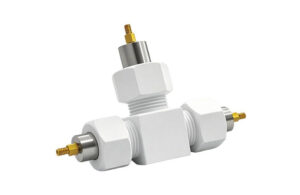
Swagelok Three-Electrode Battery Mold XN-YT02
Free Shipping Price range: $124.00 through $305.00Select options This product has multiple variants. The options may be chosen on the product page -
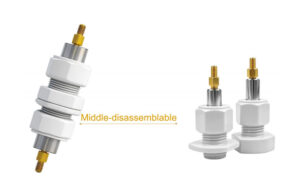
Dual-Electrolyte Swagelok Battery Mold XN-YT05
Free Shipping Price range: $164.00 through $249.00Select options This product has multiple variants. The options may be chosen on the product page -
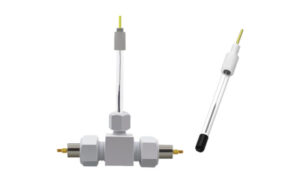
Swagelok-Type Battery Test Cell XN-YT08
Free Shipping Price range: $138.00 through $306.00Select options This product has multiple variants. The options may be chosen on the product page -
Solid-State Battery Assembly Mold XN-GT01
Free Shipping$228.00