

SPAN Cathode Powder for Li-S Batteries | 550–800 mAh/g
SKU: SPAN-LSB
SPAN cathode powder for lithium-sulfur battery research, offering high sulfur content, stable cycling performance, and reliable supply for laboratory and R&D applications.
Need a bulk order? Request a competitive quote today!
Name: SPAN Cathode Powder (Sulfurized Polyacrylonitrile) for Li-S Batteries
Product Type: Lithium-Sulfur Cathode Active Material (SPAN)
Product Code: XN-SPAN
SKU: SPAN-LSB
Brand: Xnergy Materials
Product Introduction:
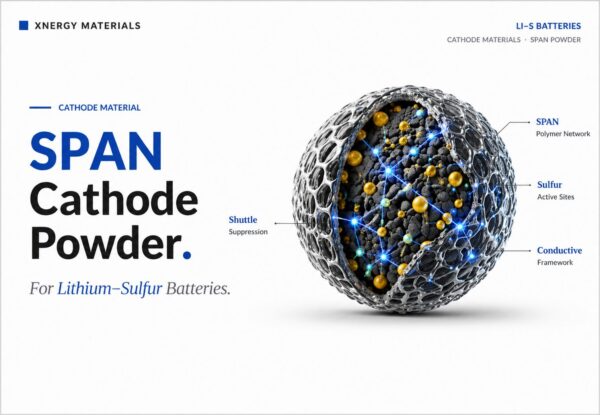
SPAN Cathode Powder is a battery-grade, sulfur-rich composite active material for lithium-sulfur (Li-S) batteries. It is created by heating polyacrylonitrile (PAN) and elemental sulfur together at high temperature (typically 300 °C to 450 °C), which chemically grafts sulfur onto a conductive polymer backbone so that no soluble polysulfides are formed. As a result, SPAN is fully compatible with standard carbonate electrolytes — like those used in regular Li-ion cells — without any expensive additives. SPAN typically offers a reversible capacity of 550–800 mAh/g (based on the total composite mass): lower than the theoretical limit of pure sulfur (1675 mAh/g), but significantly higher than standard NMC cathodes (~200 mAh/g), making it a practical route to high-energy, high-safety lithium-sulfur batteries.
Key Features:
Sulfur chemically grafted onto a conductive polymer backbone — no soluble polysulfides formed
Fully compatible with standard carbonate electrolytes, no expensive additives required
Reversible capacity of 550–800 mAh/g — far above standard NMC cathodes (~200 mAh/g)
High first-cycle Coulombic efficiency of 99.0% with a stable 1.7–1.8 V discharge plateau
Consistent fine particle size for reproducible electrode coating
Suitable for coin, pouch, and prismatic cell formats
Key Specifications:
| Properties | Typical Value |
|---|---|
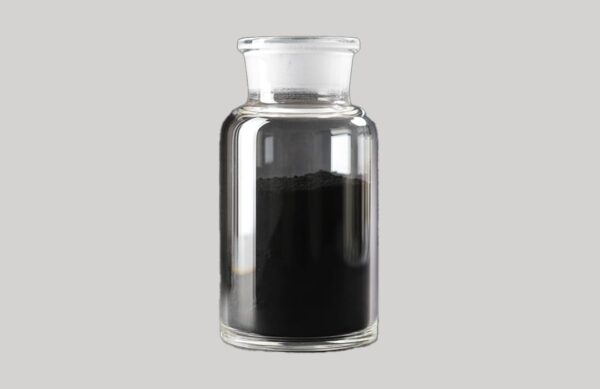
| Appearance | Black powder |
| Size Distribution | D10: 2.213 μm / D50: 4.629 μm / D90: 14.76 μm |
| Solubility | Insoluble in water; slightly soluble in organic solvents (e.g. NMP, DMF) |
| Main Impurities | Na <500 ppm / K <150 ppm / Ca <20 ppm |
| Density | ~1.63 g/cm³ |
| Specific Capacity | ~700 mAh/g (reversible 550–800 mAh/g; discharge plateau 1.7–1.8 V) |
| Coulombic Efficiency (first cycle) | 99.0% |
| Cycling Stability | >100 cycles |
Application Areas:
Lithium-sulfur (Li-S) battery cathode development and research
Coin, pouch, and prismatic cell prototyping
High-energy-density batteries for UAV/drone, eVTOL, and HAPS platforms
Lightweight portable energy storage and aerospace battery R&D
University, research-institute, and industrial next-generation battery programs
Packaging & Storage:
Supplied in vacuum-sealed aluminum-plastic bags or HDPE containers
12-month shelf stability when sealed and kept in cool, dry conditions
Store away from moisture, heat, and direct sunlight
Reseal promptly after use to preserve material quality
Specifications are provided for reference and may be adjusted to suit specific research requirements. Configuration and options are specified at order time.
Note: SPAN Cathode Powder gives Li-S researchers a stable, carbonate-compatible cathode active material with no soluble polysulfides and a reversible capacity of 550–800 mAh/g. Prefer ready-coated electrodes? See our SPAN Cathode Electrode Sheet. Need a fully assembled cell? The SPAN Dry Pouch Cell pairs the same SPAN cathode with a lithium-metal anode. Explore more Cathode Materials for battery research.
| Weight | 50g, 100g, 500g |
|---|
Related products
-
LiMn₂O₄ Cathode Disc on Aluminum Foil for Coin Cell (Single-Sided Coating)
Free Shipping$270.00 -
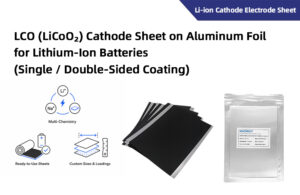
LRMO Cathode Sheet on Aluminum Foil for Lithium-Ion Batteries (Multiple Specs)
Free Shipping Price range: $286.50 through $336.00Select options This product has multiple variants. The options may be chosen on the product page -
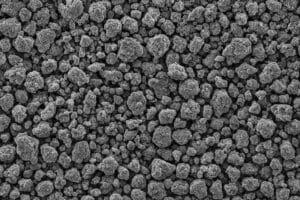
LMO, Lithium Manganese Oxide 1kg
Free Shipping$382.00 -
Composite NFPP Sodium-Ion Battery Cathode Material with Long Cycle Life and High Rate Capability