Precipitation Reactor XN-SPR
SKU: XN-SPR
Precipitation Reactor XN-SPR is a configurable co-precipitation and precursor synthesis platform for battery-material research, process development, and production-line integration.
Unlike a fixed standard reactor, each XN-SPR system is engineered around the customer’s process requirements. Reactor size and arrangement, wetted materials, feeding and metering channels, agitation, pH and temperature control, gas handling, sampling, aging and overflow connections, enclosure, control system, and automation level can be configured for the intended formulation and workflow.
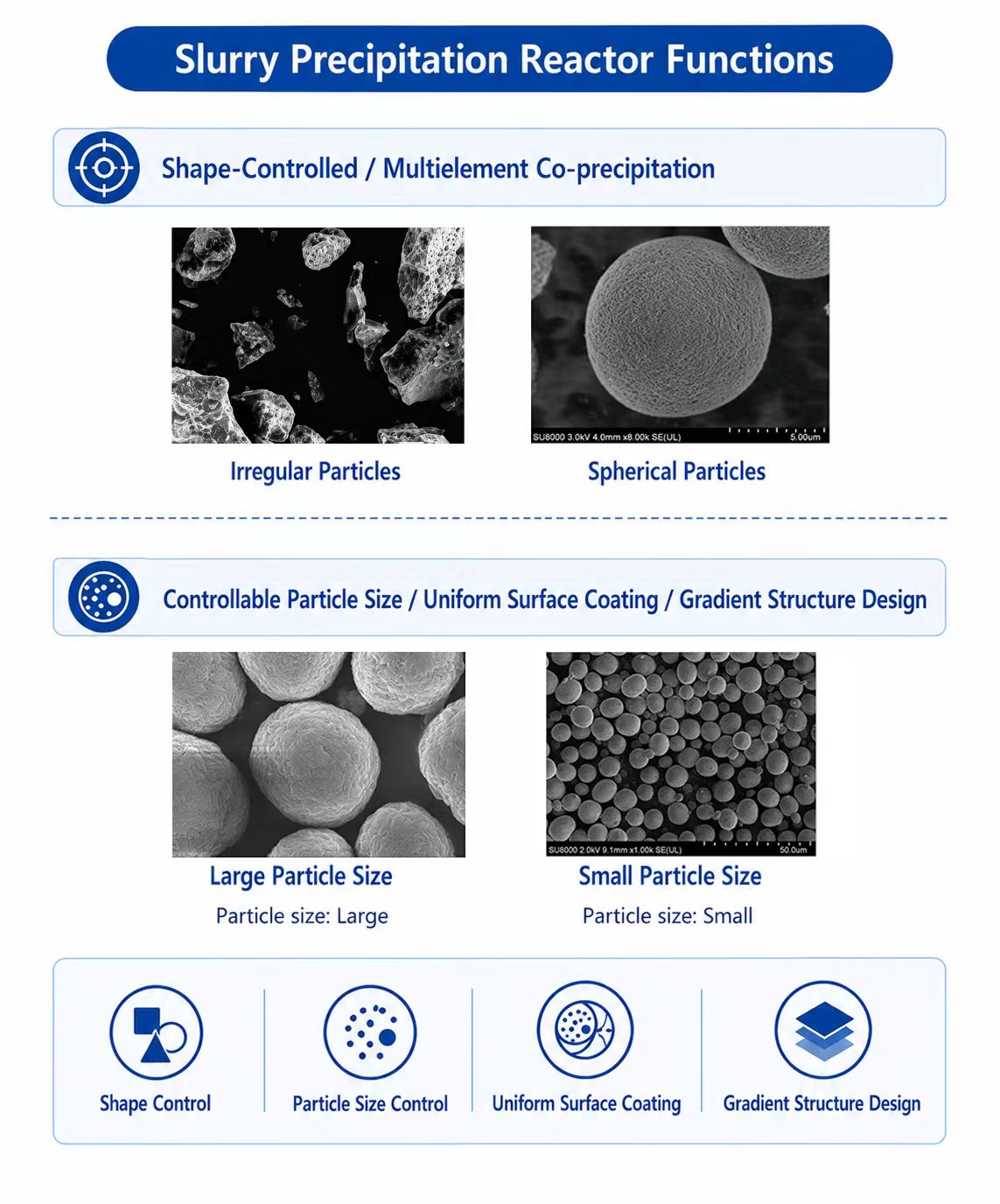
The platform can support shape-controlled and multielement co-precipitation, particle-size and morphology studies, uniform surface-coating development, and gradient-structure research. Final configuration and process capabilities are confirmed before quotation.
Need a custom reactor system or process-specific configuration? Request a competitive quote today!
Name: Precipitation Reactor
Equipment Type: Custom Co-Precipitation and Precursor Synthesis Reactor System
Product Code: XN-SPR
Brand: Xnergy
Product Introduction:
The XN-SPR is a highly configurable precipitation reactor platform for controlled co-precipitation and precursor-material synthesis. It is not limited to one standard vessel size or fixed equipment layout. Each system is designed according to the customer’s formulation, process conditions, laboratory or production environment, operating standards, and required level of automation.
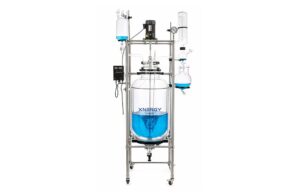
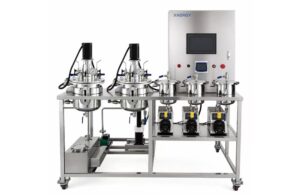
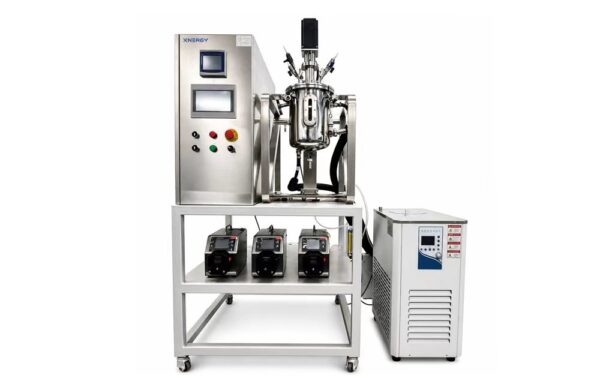
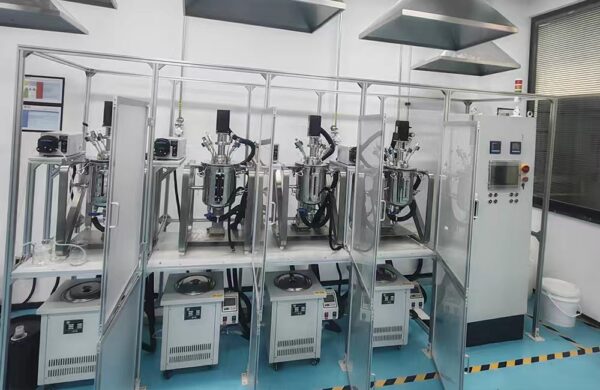
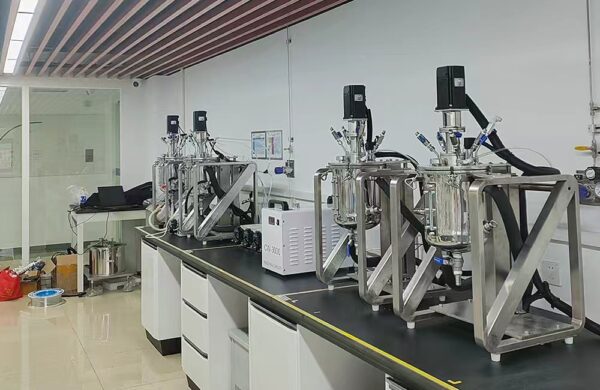
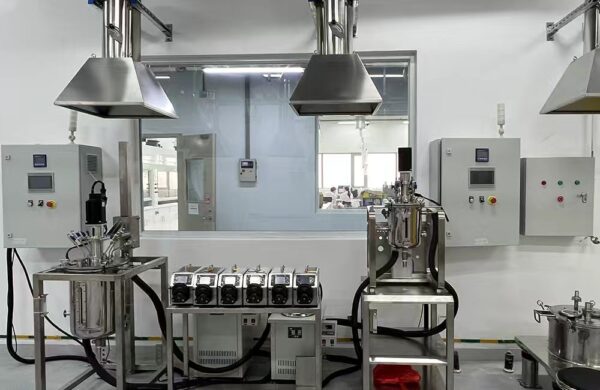
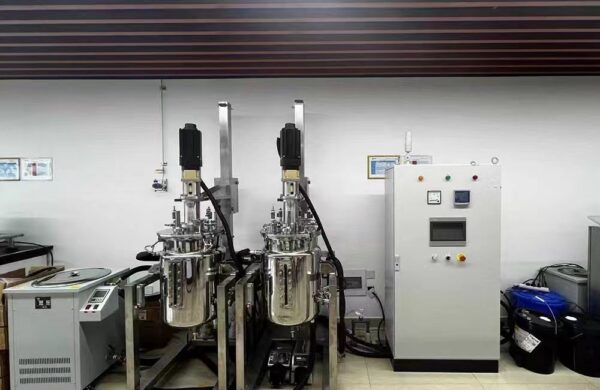
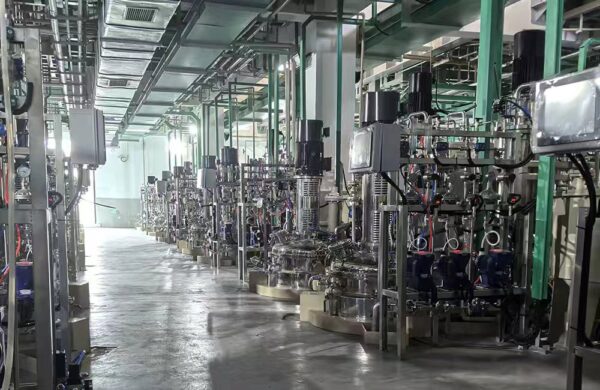
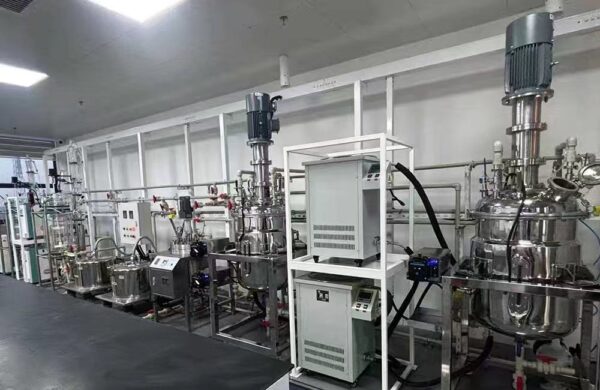
Available project layouts include standalone benchtop reactors, parallel multi-reactor systems, enclosed installations, independently controlled dual-reactor systems, and integrated production-line configurations.
The system can combine controlled reagent feeding, agitation, pH and temperature monitoring, gas connections, sampling, overflow transfer, aging-tank connections, external temperature control, and centralized operation. The final equipment configuration is determined by the intended process and material-compatibility requirements.
Customization Scope:
- Standalone, parallel multi-reactor, enclosed, or production-line layout
- Reactor volume, vessel arrangement, and wetted materials
- Number of feeding channels and metering pumps
- Agitation structure and control arrangement
- pH and temperature monitoring or control
- Gas inlet, outlet, and pressure-protection connections
- Sampling, overflow, and aging-tank connections
- External heating or cooling circulation interface
- Control cabinet, interface, and automation level
- Supporting piping, pumps, enclosures, and auxiliary equipment
- Electrical configuration adapted to applicable local electrical standards
Key Process Functions:
- Shape-controlled and multielement co-precipitation development
- Particle-size and particle-morphology process studies
- Uniform surface-coating process development
- Gradient-structure precursor research
- Controlled delivery of ammonia, alkali, salt, or other process solutions
- Monitoring of reaction pH and temperature
- Sampling during reaction and aging studies
- Overflow transfer to an aging vessel
- Gas handling and external temperature-control integration
- Process development from benchtop studies to integrated multi-reactor systems
Typical Process Workflow:
- Prepare and dissolve the required process solutions.
- Transfer the solutions to the selected feeding or transfer vessels.
- Meter each solution into the reactor according to the process design.
- Conduct the precipitation reaction under controlled feeding, agitation, pH, and temperature conditions.
- Collect samples for particle-size, morphology, or composition analysis.
- Transfer the slurry to an aging vessel when required.
- Continue with separation, washing, filtration, and drying according to the customer’s process.
The exact workflow, feeding chemistry, equipment arrangement, and downstream components are confirmed for each project.
Typical Applications:
- Battery precursor co-precipitation research
- Multielement precursor formulation development
- Particle morphology and particle-size control studies
- Uniform surface-coating development
- Gradient-structure precursor research
- Laboratory process development and pilot verification
- Parallel reactor experimentation
- Integrated precursor-material production lines
Note: XN-SPR systems are primarily supplied as customized projects. Reactor volume, wetted materials, agitation system, pump configuration, control method, temperature-control range, pH-control arrangement, gas connections, safety features, and auxiliary equipment must be confirmed according to the intended chemistry and operating environment.
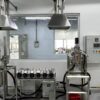
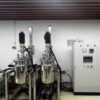
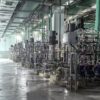
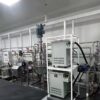
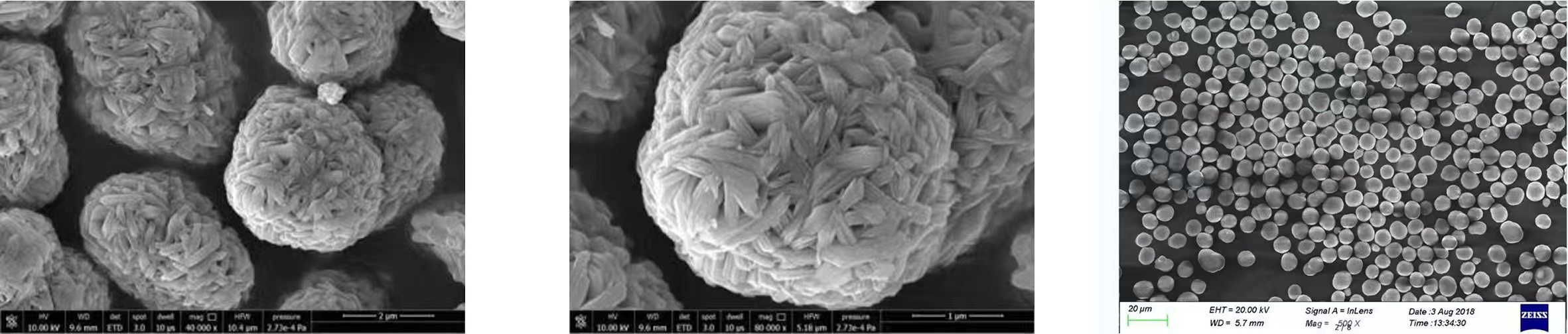
The installation photographs show representative customer configurations rather than one fixed standard package. Actual particle morphology and particle-size distribution depend on formulation, feeding rate, agitation, pH, temperature, aging, washing, drying, and other process conditions.
Related reactor and process equipment includes the XN-GR Jacket Glass Reactor, XN-RK NMC Precursor Co-Precipitation Reactor, XN-VM-500mL Vacuum Mixer, XN-FT-2L Slurry Filter, and XN-DVO-3 Vacuum Drying Oven.