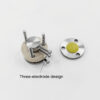

Three-Electrode Solid-State Battery Assembly Mold for Electrochemical Testing – GT04

SKU: XN-BM-GT04

$310.00

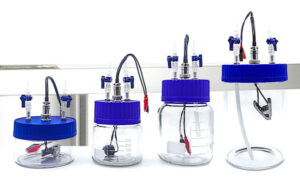
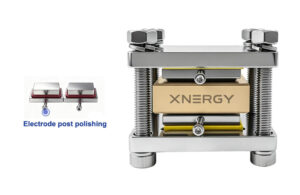
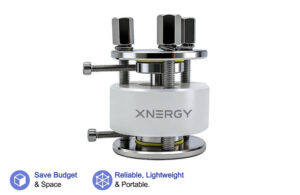
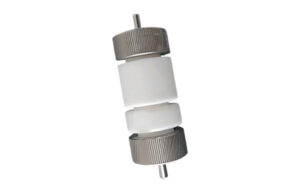
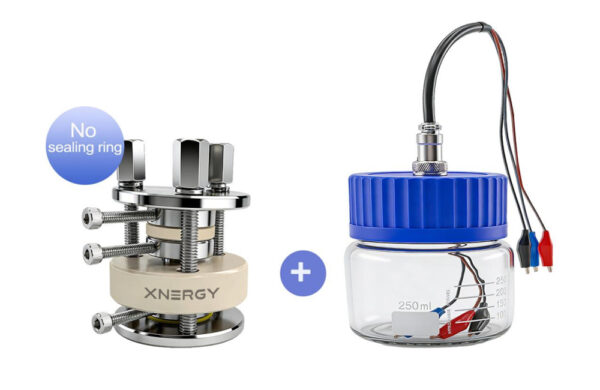
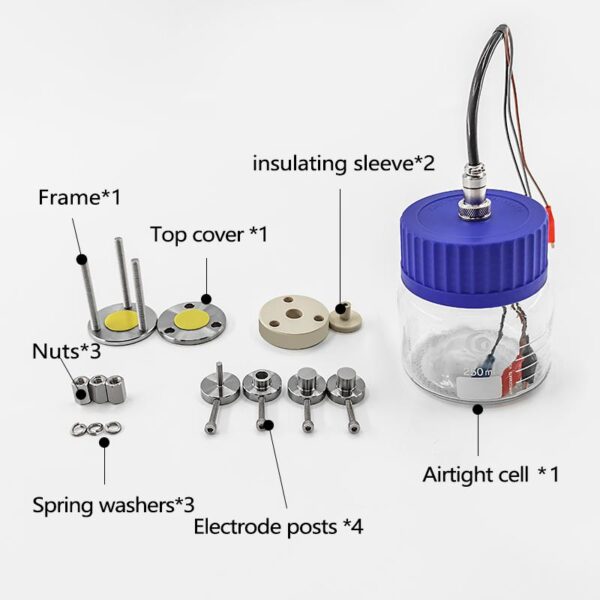
GT04 Three-Electrode Solid-State Battery Assembly Mold — complete three-electrode electrochemical testing system for solid-state battery research. 40 mm sleeve diameter, 65 mm assembly height, 4 mm minimum inner diameter (adjustable), ≤ 500 MPa working pressure. Full set includes three-electrode mold, airtight bottle, and electrode column. Built with stainless steel, PEEK, and No. 4 mold steel.

Need a bulk order or custom specification? Request a competitive quote today!

Request a Quote

Name: Three-Electrode Solid-State Battery Assembly Mold for Electrochemical Testing – GT04

Mold Type: Three-Electrode Pressure Jig + Airtight Test Cell System

Product Code: XN-BM-GT04

Description:

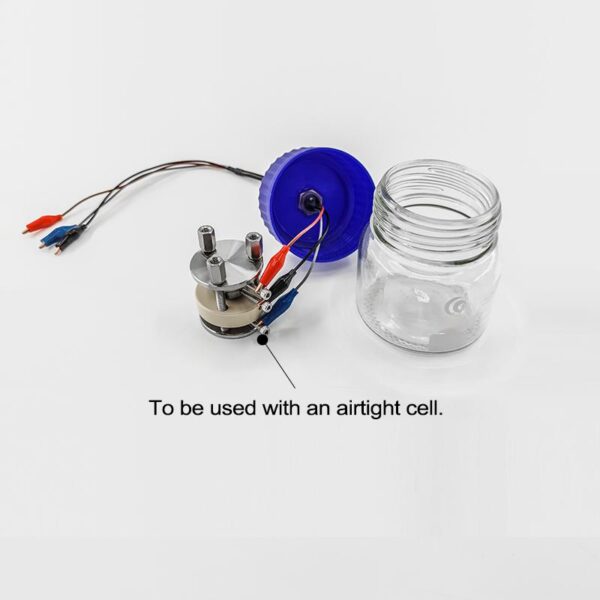
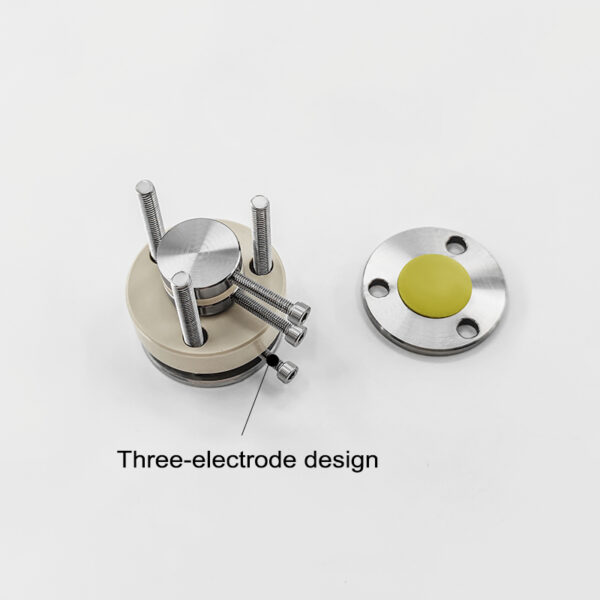
The GT04 is a complete three-electrode electrochemical testing system for solid-state battery research, integrating a high-pressure mold body, an airtight glass bottle, and a multi-pin electrode column. As a result, researchers can perform reference-electrode-based three-electrode measurements (working electrode, counter electrode, and reference electrode) on solid-state battery samples — the gold standard for separating cathode and anode contributions to overall cell impedance, polarization, and degradation behavior. The GT04 is rated to ≤ 500 MPa maximum working pressure, accommodates a minimum inner diameter of 4 mm (adjustable), and ships as a complete set including the three-electrode mold, airtight bottle, and electrode column. Furthermore, the integrated airtight bottle protects the cell from atmospheric exposure during measurement, supporting accurate research data on moisture-sensitive sulfide electrolytes and lithium-metal anodes. Customization and modification are available on request.

Application:

The GT04 mold is designed for advanced electrochemical research on solid-state batteries where reference-electrode-based measurements are essential, including three-electrode impedance spectroscopy for separating cathode and anode contributions to total cell resistance, cyclic voltammetry studies of individual electrode reactions, polarization analysis of solid-electrolyte/electrode interfaces, lithium-plating overpotential measurements on solid electrolytes (working electrode vs. lithium reference), sulfide-electrolyte interface characterization in airtight conditions, and academic studies of solid-state battery degradation mechanisms isolated to specific electrode reactions.

Specifications:

Parameter Value
Mold Type Three-electrode pressure jig + airtight test cell system
Sleeve Diameter 40 mm
Assembly Height 65 mm
Minimum Inner Diameter 4 mm (adjustable)
Maximum Working Pressure ≤ 500 MPa
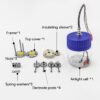
Frame Material Stainless steel
Insulating Sleeve Material Polyether ether ketone (PEEK)
Pushing Rod Material No. 4 mold steel
Product Set Includes Three-electrode mold, airtight bottle, electrode column
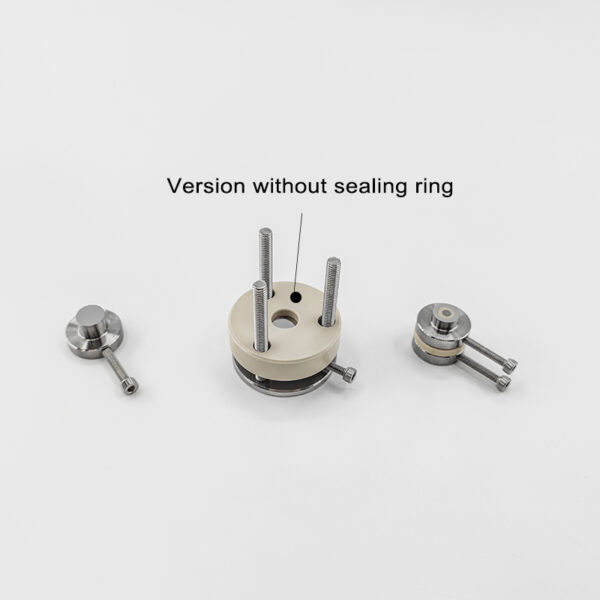
Sealing Ring Full-perimeter exposed sealing ring (no hidden seal interfaces)
Customization Available on request — interior diameter, frame height, and component configuration customizable
Application Environment Glovebox or ambient lab benchtop (with airtight bottle for atmospheric isolation)
Compatibility Lithium-ion, lithium-metal, sodium-ion, and all-solid-state battery test cells with reference electrode
Net Weight 0.5 kg

Values measured by Xnergy. Typical values for reference; not guaranteed unless otherwise specified.

Characteristics:

Complete three-electrode test set (mold + airtight bottle + electrode column)

Unlike standalone two-electrode molds, the GT04 ships as a complete three-electrode testing system — combining the high-pressure mold body, an airtight glass bottle for atmospheric isolation, and a multi-pin electrode column for working/counter/reference electrode connections. As a result, researchers receive a turnkey three-electrode measurement platform without sourcing accessory components separately, accelerating setup and ensuring all components are mechanically and electrically compatible.

Reference-electrode capability for advanced electrochemical analysis

The three-electrode configuration enables reference-electrode-based measurements — the gold standard for separating cathode and anode contributions to total cell impedance, polarization, and degradation behavior. Therefore, this mold supports advanced research workflows including individual-electrode impedance spectroscopy, lithium-plating overpotential measurements, and full mechanism studies of solid-electrolyte/electrode interfaces that two-electrode systems cannot resolve.

Airtight bottle for moisture-sensitive samples

The integrated airtight bottle protects the cell from atmospheric exposure during measurement, allowing researchers to transfer the assembled cell from a glovebox to ambient-environment electrochemical workstations without sample contamination. Consequently, this design supports accurate research data on moisture-sensitive sulfide electrolytes (Li₆PS₅Cl, Li₂S–P₂S₅), lithium-metal anodes, and other reactive solid-state battery materials.

Full-perimeter exposed sealing ring design

The GT04 features a full-perimeter exposed sealing ring with no hidden seal interfaces — a deliberate design choice that simplifies inspection, cleaning, and replacement of the seal during routine maintenance. As a result, researchers can verify seal integrity visually before each experiment, eliminating the uncertainty of buried sealing surfaces that compromise long-duration measurements in standard mold designs.

Fine minimum inner diameter (4 mm) for small-sample studies

The GT04 supports a minimum inner diameter of 4 mm — significantly smaller than the 6–10 mm minimum of standard GT01/GT02/GT03 molds. Therefore, this configuration is well-suited for small-sample fundamental studies, expensive solid-electrolyte material screening, and scenarios where sample volume must be minimized to conserve precious research materials.

Excellent insulating property via PEEK sleeve

The polyether ether ketone (PEEK) insulating sleeve provides high dielectric strength to ensure complete electrical isolation between the working, counter, and reference electrodes — a critical requirement for accurate three-electrode impedance measurements. Furthermore, PEEK delivers excellent chemical stability and mechanical resilience under repeated pressure cycling.

Compact form factor for glovebox use

With a 40 mm sleeve diameter and 65 mm assembly height, the GT04 features a streamlined design optimized for use inside argon-filled gloveboxes. As a result, researchers can assemble lithium-metal solid-state cells with reference electrodes and handle moisture-sensitive sulfide electrolytes without exposure to ambient air or moisture during cell construction.

Customization and modification on request

The GT04 supports customization and modification on request — including custom interior diameters, alternative reference electrode configurations, modified frame heights, and specialized component arrangements. Therefore, researchers with non-standard cell geometries or specialized three-electrode experimental setups can obtain a tailored configuration to match their experimental requirements.

Recommended Operating Procedure:

1. Clean all mold components with isopropyl alcohol and dry thoroughly before each use. 2. Apply a thin layer of vacuum grease or anti-seize compound between the pushing rod and the PEEK sleeve to reduce friction. 3. Inside an argon-filled glovebox, load the bottom electrode current collector, then sequentially add cathode powder, solid electrolyte powder/pellet, anode (lithium foil or anode powder), and the reference electrode in its designated position. 4. Insert the top pushing rod and apply the target pressure using a hydraulic press (do not exceed 500 MPa). 5. Tighten the locking screws on the frame to maintain stack pressure. 6. Connect the working, counter, and reference electrode leads to the multi-pin electrode column. 7. Seal the assembled mold inside the airtight bottle for transfer out of the glovebox. 8. Perform three-electrode electrochemical measurements at the required temperature. 9. After testing, return to the glovebox, release pressure gradually, disassemble, and clean all components with alcohol before storage.

Packaging & Storage:

Each GT04 set ships fully assembled in a protective foam-lined case with all components, including the stainless steel three-electrode mold, PEEK sleeve, No. 4 mold-steel pushing rods, airtight glass bottle, multi-pin electrode column with cable assembly, sealing O-rings, and locking knobs. Therefore, store in a dry environment (15–25 °C, RH < 40 %) protected from dust and moisture. After each use, clean components with isopropyl alcohol, apply a thin layer of vacuum grease to metal surfaces, inspect the sealing ring for damage, and store in the original case to prevent oxidation, corrosion, and glass breakage.

Safety:

For research and industrial laboratory use only. Do not exceed the maximum working pressure (500 MPa) — exceeding this limit may result in mold damage, sample loss, or personal injury. Always wear appropriate PPE (safety glasses, gloves) when applying pressure or handling the airtight bottle. When working with lithium-metal anodes, sulfide electrolytes, or other reactive materials, perform all assembly and disassembly inside an argon-filled glovebox. The airtight glass bottle is fragile — handle with care to avoid breakage during transfer between glovebox and electrochemical workstation. Refer to the included user manual for complete safety and operating instructions.

Note: Specifications listed above are typical and for reference only. Actual performance and pressure requirements depend on solid electrolyte chemistry, pellet thickness, target densification level, and reference electrode selection — consult published literature for guidance on optimal three-electrode measurement protocols for specific solid-state battery systems. For researchers exploring complete solid-state battery research workflows, see also Xnergy’s related products: GT01 Standard Solid-State Battery Mold, GT01-TC Ceramic Solid-State Battery Mold, GT02 Standard Solid-State Battery Mold, GT02-TC Ceramic Solid-State Battery Mold, GT03 High-Pressure Solid-State Battery Mold, YT02 Swagelok Three-Electrode Mold, KQ01 Air Battery Mold, YL01 Laboratory Flow Battery Testing Cell System, and YT04 Electrolyte Membrane Battery. Browse the full Battery Mold category for all configurations.

Weight 0.5 kg