
Ceramic Solid-State Battery Mold XN-GT01-TC
SKU: XN-GT01-TC
Free Shipping$248.00
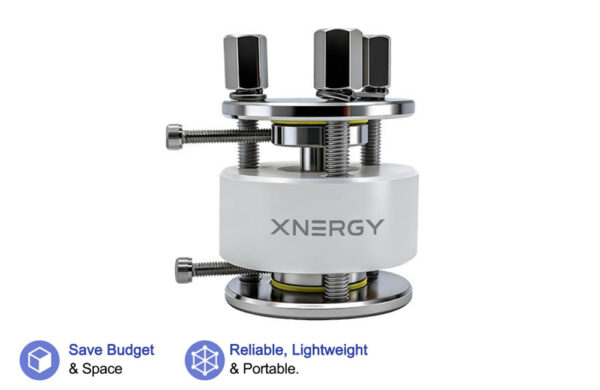
Ceramic Solid-State Battery Mold XN-GT01-TC is the ceramic upgrade of the XN-GT01 solid-state battery assembly mold, using a zirconia ceramic liner and a PA (nylon) insulating sleeve for more stable, cleaner experiments.
It presses and assembles solid-state cells and supports electrochemical and lithium/lithium symmetric cell testing, with Grade 4 special-steel electrode posts, 50 mm sleeve diameter, 65 mm assembly height, 10 mm inner diameter, and ≤800 MPa working pressure. Free raised-frame customization on request.
Need a bulk order or custom specification? Request a competitive quote today!
Name: Ceramic Solid-State Battery Mold XN-GT01-TC
Mold Type: Ceramic (Zirconia-Lined) Solid-State Battery Assembly & Test Mold
Product Code: XN-GT01-TC
Brand: Xnergy
Product Introduction:
The XN-GT01-TC is the ceramic upgrade of the XN-GT01 solid-state battery assembly mold. It uses a zirconia ceramic liner and a PA (nylon) insulating sleeve together with Grade 4 special-steel electrode posts. Like the standard XN-GT01, it is used to press and assemble solid-state cells and to run electrochemical tests under sustained pressure, and it is also used for lithium/lithium symmetric cell testing. Standard units have a 10 mm inner diameter, customizable for bulk orders.
Package Contents:
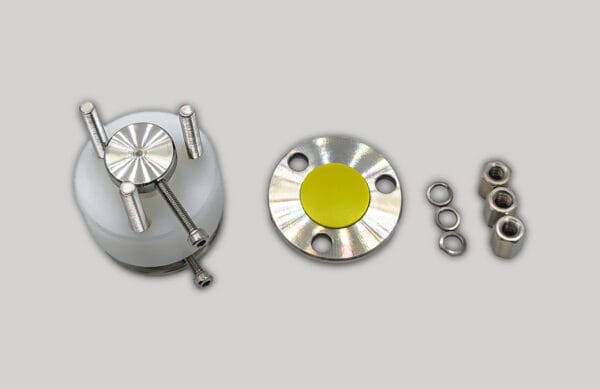
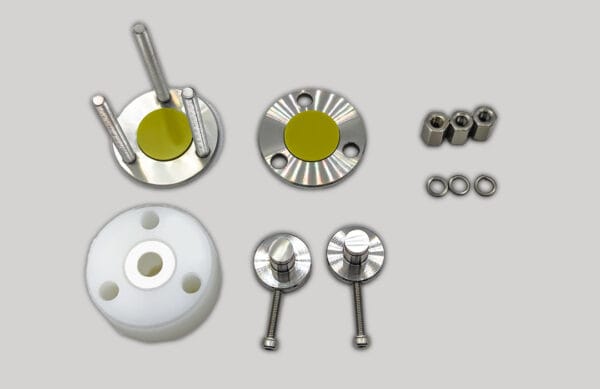
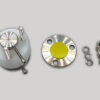
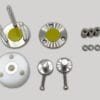
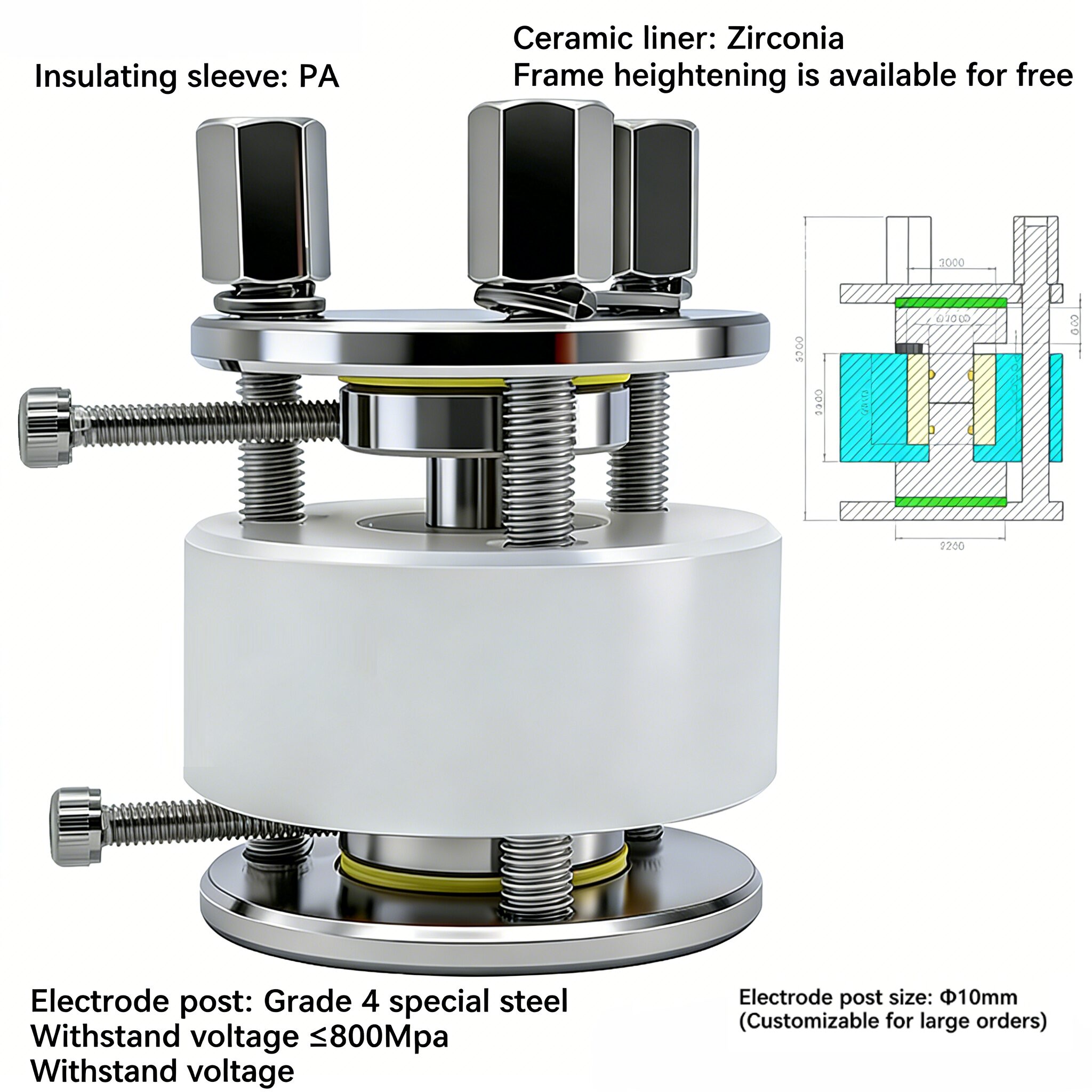
Frame — stainless steel × 1
Top cover — stainless steel × 1
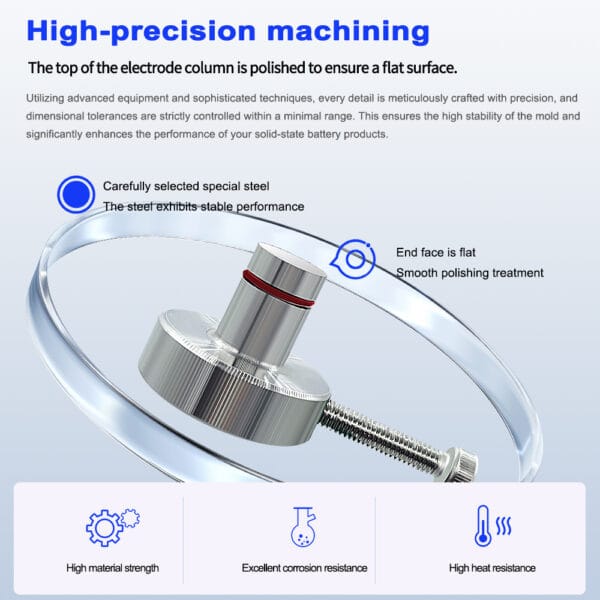
Electrode columns (posts) — Grade 4 special steel × 2
Insulating sleeve — PA (nylon) × 1
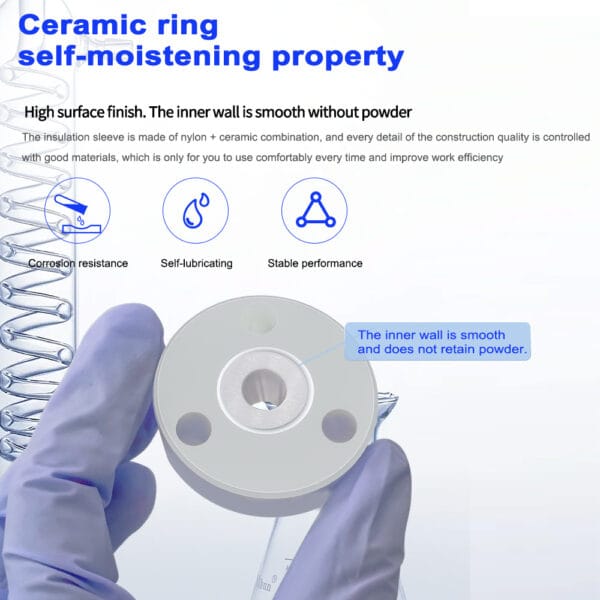
Ceramic liner (inner ring) — zirconia × 1
Spring washers — stainless steel × 3
Nuts — stainless steel × 3
Key Specifications:
| Parameter | Specification |
|---|---|
| Product Model | XN-GT01-TC |
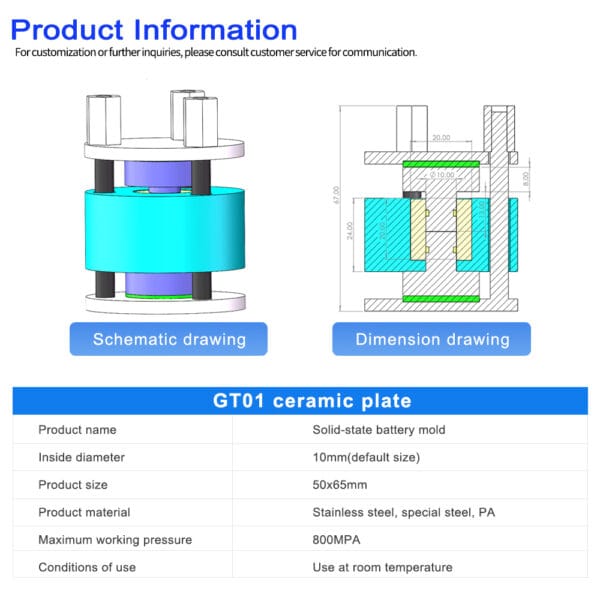
| Inner Diameter (ID) | 10 mm (customizable for bulk orders) |
| Sleeve Diameter | 50 mm |
| Assembly Height | 65 mm |
| Material | Stainless steel, PA, ceramic (zirconia), Grade 4 steel |
| Maximum Working Pressure | ≤ 800 MPa |
Material Details:
Insulating sleeve — PA (nylon)
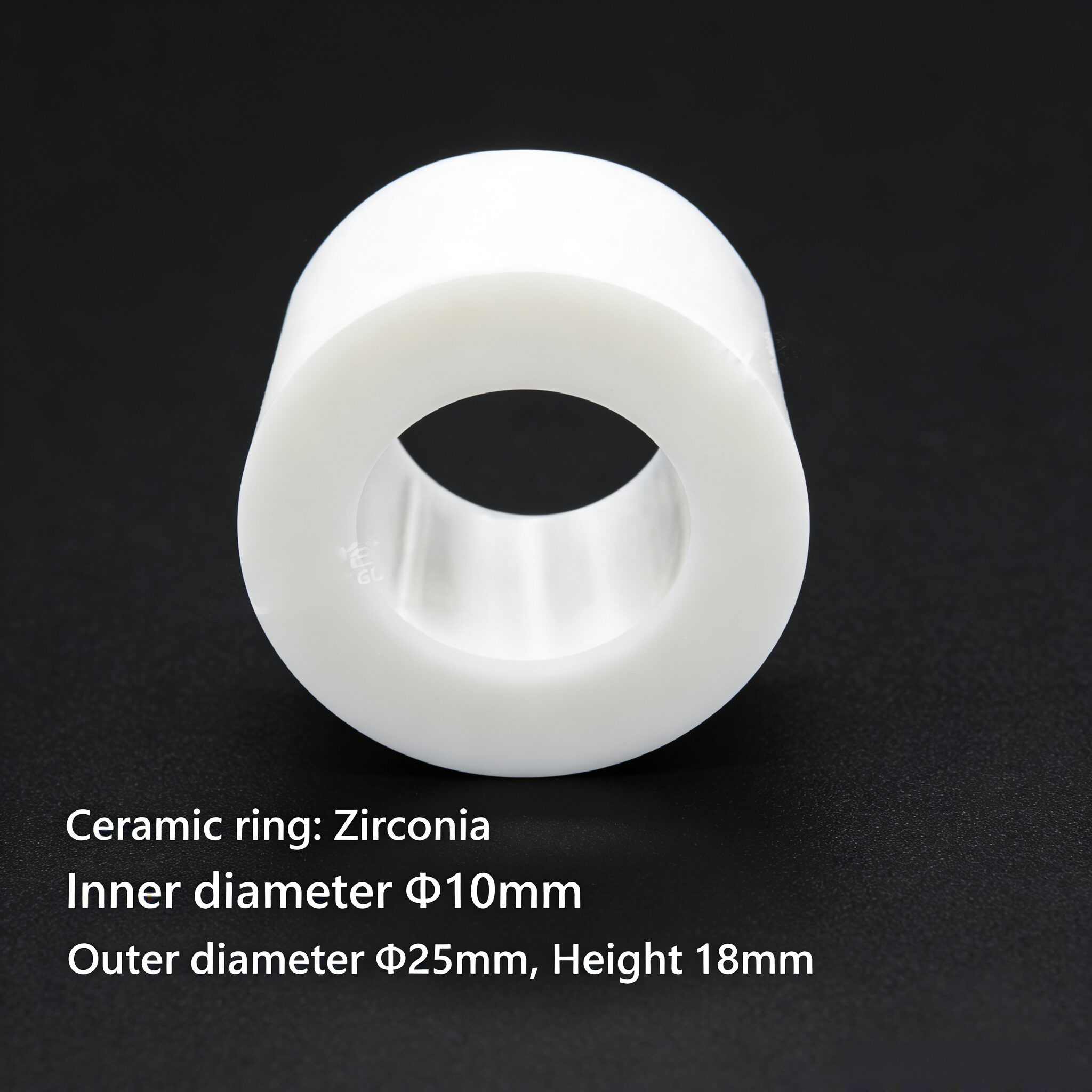
Ceramic liner (inner ring) — zirconia; inner diameter Φ10 mm, outer diameter Φ25 mm, height 18 mm
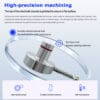
Electrode post — Grade 4 special steel, withstand ≤ 800 MPa, electrode-post size Φ10 mm (customizable for large orders)
Ceramic Upgrade — Key Characteristics:
More stable experimental results compared with the standard (PEEK) base model
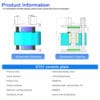
Zirconia ceramic inner ring with a smooth inner wall — powder does not stick, giving clean release and good insulation
Quality PA (nylon) insulating sleeve
Reliable, lightweight, and portable
Grade 4 special-steel electrode posts rated to ≤ 800 MPa
Customization Options:
Customizable as required, with frame heightening (raised frame) provided free of charge
Electrode-post size Φ10 mm, customizable for large orders
Inner diameter customizable for bulk orders
Assembly Steps:
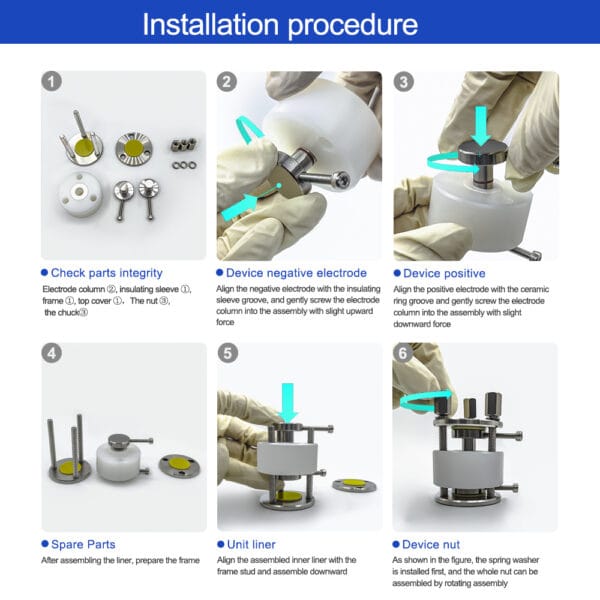
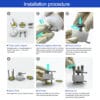
1. Prepare the accessories — electrode columns (× 2), insulating sleeve (× 1), ceramic liner, frame, top cover (× 1), nuts (× 3), pads (× 3), and sensor (× 1)
2. Install the negative electrode — align it with the groove of the insulating sleeve and gently screw the electrode column in with slight upward force
3. Install the positive electrode — align it with the groove of the insulating sleeve and gently screw the electrode column in with slight downward force
4. Place the sensor on the frame insulation mat (correct side up)
5. Assemble the inner liner and install it into the frame
6. Align the top cover with the frame studs, insulation-pad side down
7. Install the spring washer first, then turn the nut to complete the assembly
Operation Steps (schematic — for trained personnel only):
1. Place the sample in the solid-state battery mold
2. Assemble the upper pole column, place the mold in the center of the tablet press, and press
3. Place the mold in the center of the tablet press and tighten the screw before pressing and relieving pressure
4. After holding the pressure for one minute, take out the mold and connect the positive and negative electrodes for testing
5. After holding pressure, the mold can be placed into the raised frame and connected to the pressure sensor for real-time monitoring
Safety:
For research and laboratory use by trained personnel only
Do not exceed the maximum working pressure (≤ 800 MPa)
Wear appropriate PPE when applying pressure
Handle reactive electrode materials according to your laboratory procedures
Specifications are provided for reference and may be adjusted to suit specific requirements. Inner diameter, frame height, and configuration are specified at order time.
Note: Specifications listed above are typical and for reference only. The XN-GT01-TC is the ceramic (zirconia-lined) upgrade of Xnergy’s solid-state battery assembly mold, offering more stable results and a smooth, non-stick ceramic inner wall for clean release. For the standard PEEK version, see the XN-GT01 Solid-State Battery Assembly Mold; for higher-pressure work, see the XN-GT03 High-Pressure Solid-State Battery Mold; for a three-electrode configuration, see the XN-GT04 Three-Electrode Solid-State Battery Mold. Browse all options in the Solid-State Battery Molds category.
| Weight | 0.4 kg |
|---|
Related products
-
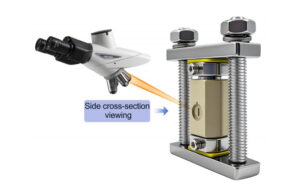
In-Situ Raman Battery Test Cell XN-GT06
Free Shipping$268.00 -
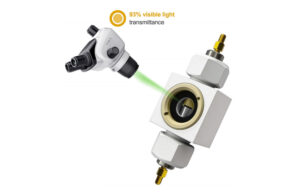
In-Situ Dendrite Observation Mold XN-YT09
Free Shipping Price range: $208.00 through $244.00Select options This product has multiple variants. The options may be chosen on the product page -
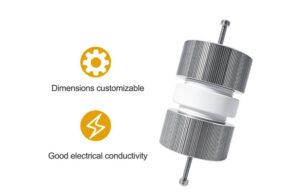
Liquid Battery Mold XN-YT06
Free Shipping$258.00Select options This product has multiple variants. The options may be chosen on the product page -
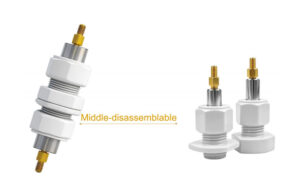
Dual-Electrolyte Swagelok Battery Mold XN-YT05
Free Shipping Price range: $164.00 through $249.00Select options This product has multiple variants. The options may be chosen on the product page