
Swagelok Two-Electrode Cell XN-YT01-CG
SKU: XN-YT01-CG
Free Shipping Price range: $122.00 through $254.00
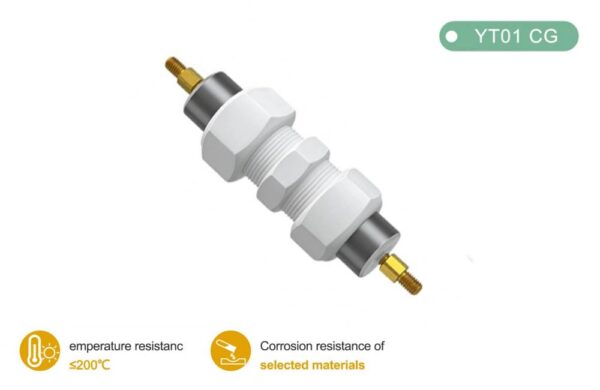
Swagelok Two-Electrode Cell XN-YT01-CG is the CG version of Xnergy’s Swagelok-type two-electrode cell for electrochemical and battery research. It supports Ø6/8/10/12/14/16/18/20 mm electrodes, operation up to ≤200 °C, working pressure up to ≤10 MPa, and SUS304 stainless-steel, SUS316 stainless-steel, pure-titanium or high-purity-molybdenum electrode options.
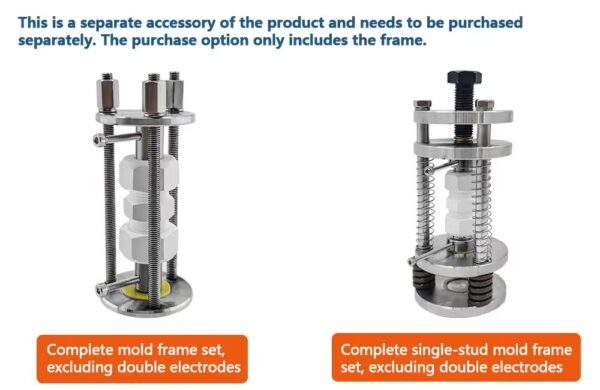
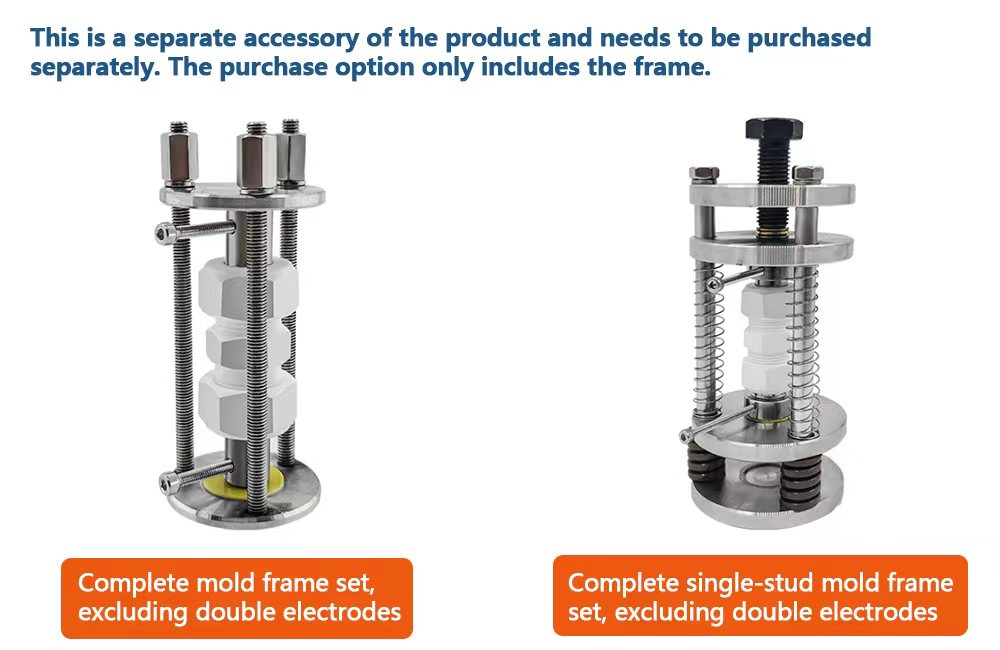
Optional frame accessories: Two optional standalone frame accessories are available separately: a complete mold frame set and a complete single-stud mold frame set. Each frame purchase option includes the frame only and excludes the double-electrode assembly.
Request a competitive quote today! Please specify the electrode diameter, electrode material and whether a separate frame accessory is required.
Swagelok Two-Electrode Cell XN-YT01-CG
Cell Type: Swagelok Two-Electrode Cell, CG Version
Product Code: XN-YT01-CG
Brand: Xnergy
Product Introduction
The XN-YT01-CG is the CG version of Xnergy’s Swagelok-type two-electrode cell for electrochemical, battery-material and solid-state battery research. Its PTFE and copper construction supports selected corrosion-resistant electrode materials and a range of electrode diameters for laboratory test configurations.
Core Features
- Dedicated CG version, separated from the YT01 TH version
- Ø6 / 8 / 10 / 12 / 14 / 16 / 18 / 20 mm electrode diameters
- Operating temperature up to ≤200 °C
- Maximum working pressure up to ≤10 MPa
- PTFE and copper product materials
- SUS304 stainless steel, SUS316 stainless steel, pure titanium and high-purity molybdenum electrode options
Technical Specifications
| Parameter | Specification |
|---|---|
| Product Code | XN-YT01-CG |
| Cell Type | Swagelok-type two-electrode cell, CG version |
| Electrode Diameter | Ø6 / 8 / 10 / 12 / 14 / 16 / 18 / 20 mm |
| Operating Temperature | ≤200 °C |
| Product Material | PTFE, copper |
| Electrode Material Options | SUS304 stainless steel, SUS316 stainless steel, pure titanium, high-purity molybdenum |
| Maximum Working Pressure | ≤10 MPa |
Optional Frames Sold Separately
Two optional standalone frame accessories are available separately: a complete mold frame set and a complete single-stud mold frame set. Each frame purchase option includes the frame only and excludes the double-electrode assembly.
Applications
- Electrochemical two-electrode testing
- Lithium battery and solid-state battery research
- Electrode-material evaluation
- Laboratory cell development and comparative testing
Note: Electrode diameter and electrode material should be confirmed when requesting a quotation. The two optional frame configurations are separate accessories; a frame purchase includes the selected frame only and does not include the double-electrode assembly. For a three-electrode version, see the XN-YT02; for a dual-electrolyte mold, see XN-YT05. Browse the full range under Swagelok-Type Cells.
| English Specification | Pure Titanium 6mm, Pure Titanium 8mm, Pure Titanium 10mm, Pure Titanium 12mm, Pure Titanium 14mm, Pure Titanium 16mm, Pure Titanium 18mm, Pure Titanium 20mm, SUS304 Stainless Steel 6mm, SUS304 Stainless Steel 8mm, SUS304 Stainless Steel 10mm, SUS304 Stainless Steel 12mm, SUS304 Stainless Steel 14mm, SUS304 Stainless Steel 16mm, SUS304 Stainless Steel 18mm, SUS304 Stainless Steel 20mm, SUS316 Stainless Steel 6mm, SUS316 Stainless Steel 8mm, SUS316 Stainless Steel 10mm, SUS316 Stainless Steel 12mm, SUS316 Stainless Steel 14mm, SUS316 Stainless Steel 16mm, SUS316 Stainless Steel 18mm, SUS316 Stainless Steel 20mm, High Purity Molybdenum 6mm, High Purity Molybdenum 8mm, High Purity Molybdenum 10mm, High Purity Molybdenum 12mm, High Purity Molybdenum 14mm, High Purity Molybdenum 16mm, High Purity Molybdenum 18mm, High Purity Molybdenum 20mm, 1 Set Mold Frame Assembly (Excluding Double Electrodes), 1 Set Single-Stud Mold Frame Assembly (Excluding Double Electrodes) |
|---|
Related products
-
Microscopic Test Mold XN-GT08
Free Shipping$268.00 -
Solid-State Battery Assembly Mold XN-GT02
Free Shipping$369.00 -
Ceramic Solid-State Battery Mold XN-GT02-TC
Free Shipping$399.00 -
Swagelok-Type Battery Test Cell XN-YT08
Free Shipping Price range: $138.00 through $306.00Select options This product has multiple variants. The options may be chosen on the product page